
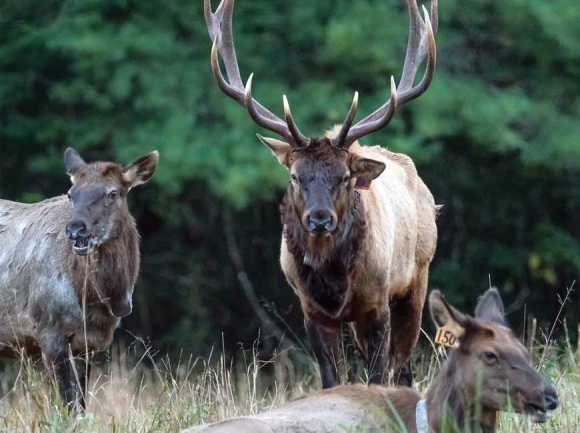
It was a morning filled with anticipation in the Great Smoky Mountain National Park. Not for the groundhogs looking for their shadows. For the annual return of the elk to North Carolina. Sort of like the swallows returning to Capistrano — only this was the East Coast not the West, and the elk couldn’t fly. And it was only the first annual return of the elk. But folks were excited; there’s not a lot going on in the North Carolina wilderness in February. The welcoming committee numbered 900 or so two-legged creatures of all ages, many of whom saw their shadows.
To refresh your memory. Elks are big guys. Bulls go about 1,000 with a rack that might span five feet. They’re a little smaller than moose, larger than caribou.
North Carolina had been elkless since the 1700s, and this scheme by the National Park Service hoped to right that wrong — to re-introduce these guys to the Southern comfort of the Tarheel State. All 25 of the returning elk had been plucked from their old Kentucky homes in the Land Between the Lakes National Recreation Area. They expressed a certain amount of optimism about the change of scenery. A little grumbling about missing the Derby, but all in all okay.
And the Park Service provided the elk with welcoming gifts of smart phones so they could document their adventure and perhaps send an occasional selfie.
The Shadow Knows
The first weather forecast by a rodent meteorologist took place on February 2, 1887, in the metropolis of Punxsutawney, Pennsylvania. The Punxsutawney folk maintain 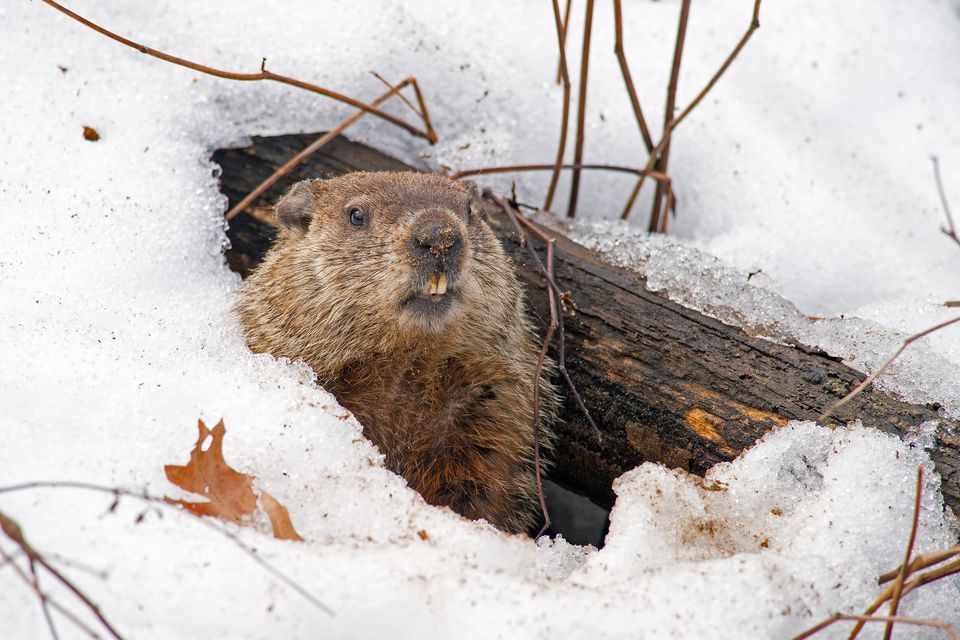 that Phil (for that’s his name) is the one and only true weather-forecasting groundhog in all of North America. Phil’s original prediction has been lost to history, but it was either six more weeks of winter or an early spring.
New Yorkers would put their weather bets on Staten Island Chuck, whose fame includes an altercation with a New York City mayor. The lucky mayor was Michael Bloomberg, the occasion was Groundhog Day 2009, and some would say it was the mayor’s own fault. Practically anyone, groundhog or otherwise, would not enjoy being roused out of a deep sleep at seven in the morning and asked to pontificate on the weather. Chuck wasn’t up for the celebration and the mayor was just a little too persistent, so of course Chuck bit him. Wouldn’t you?
Later in the day, Mayor Bloomberg, his left finger bandaged, was keeping mum. “Given the heightened response against terrorism, and clearly in this case a terrorist rodent who could very well have been trained by Al Qaeda in Afghanistan, I’m not at liberty to say any more than that,” the mayor said.
Did the Human Fly See His Shadow?
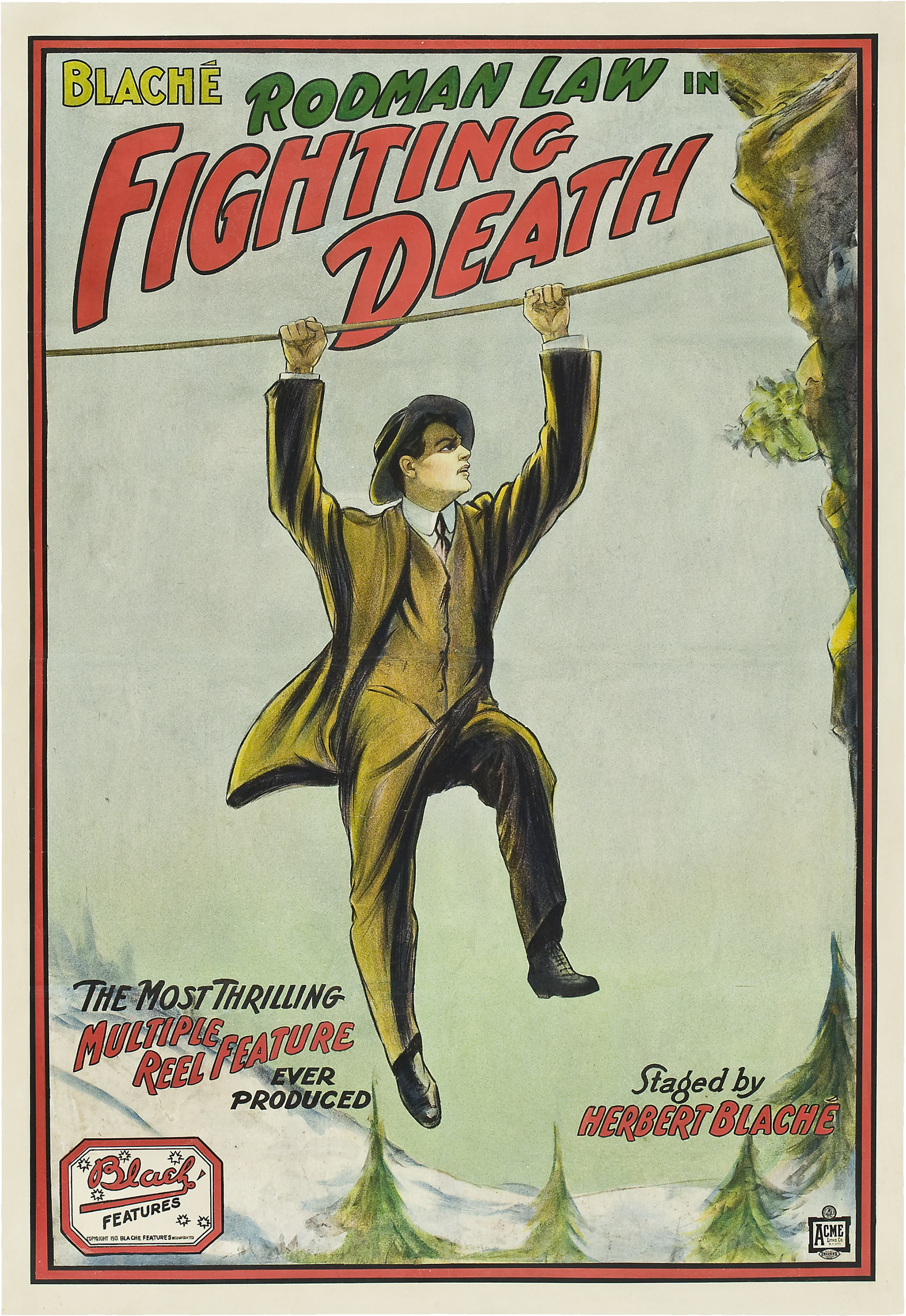 On February 2, 1912, a brave steeplejack jumped from the torch platform of the Statue of Liberty, some 345 feet above the ground. He fell like a dead weight for 75 feet before his parachute opened and he floated safely to the ground, 30 feet from the water’s edge. Pathé News paid him $1,500 for his derring-do, which they filmed. Frederick Rodman Law, who became known as the Human Fly, went on to perform other feats, jumping from the Brooklyn Bridge and from a dynamited balloon above the Hudson River. A short movie career followed, and he is widely credited as being the first motion picture stuntman. He died in 1919 of tuberculosis.


Two, two and two are not the equivalent of four but given the sum of what you have blogged we shall remember 2/2/24 forever more.
Not if you don’t make a memorandum of it.