

The Perils of Pauline, one of the earliest American movie serials and a classic example of the damsel in distress genre, premiered in Los Angeles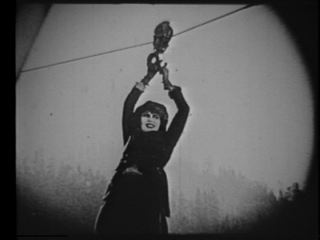 on April 4, 1914. Every week for twenty weeks, actress Pearl White faced imminent danger and sure death at the hands of pirates, hostile Indians, gypsies and various mustachioed villains, escaping at the last possible second through her own ingenuity, resourcefulness and pluck. Her adventures in Pauline and the follow-up Exploits of Elaine were popular movie fare through the 1920s. Neither serial was a true “cliffhanger” in which episodes end with an unresolved danger to be resolved at the beginning of the next installment. Instead White jumped in and out of the jaws of death in each installment.
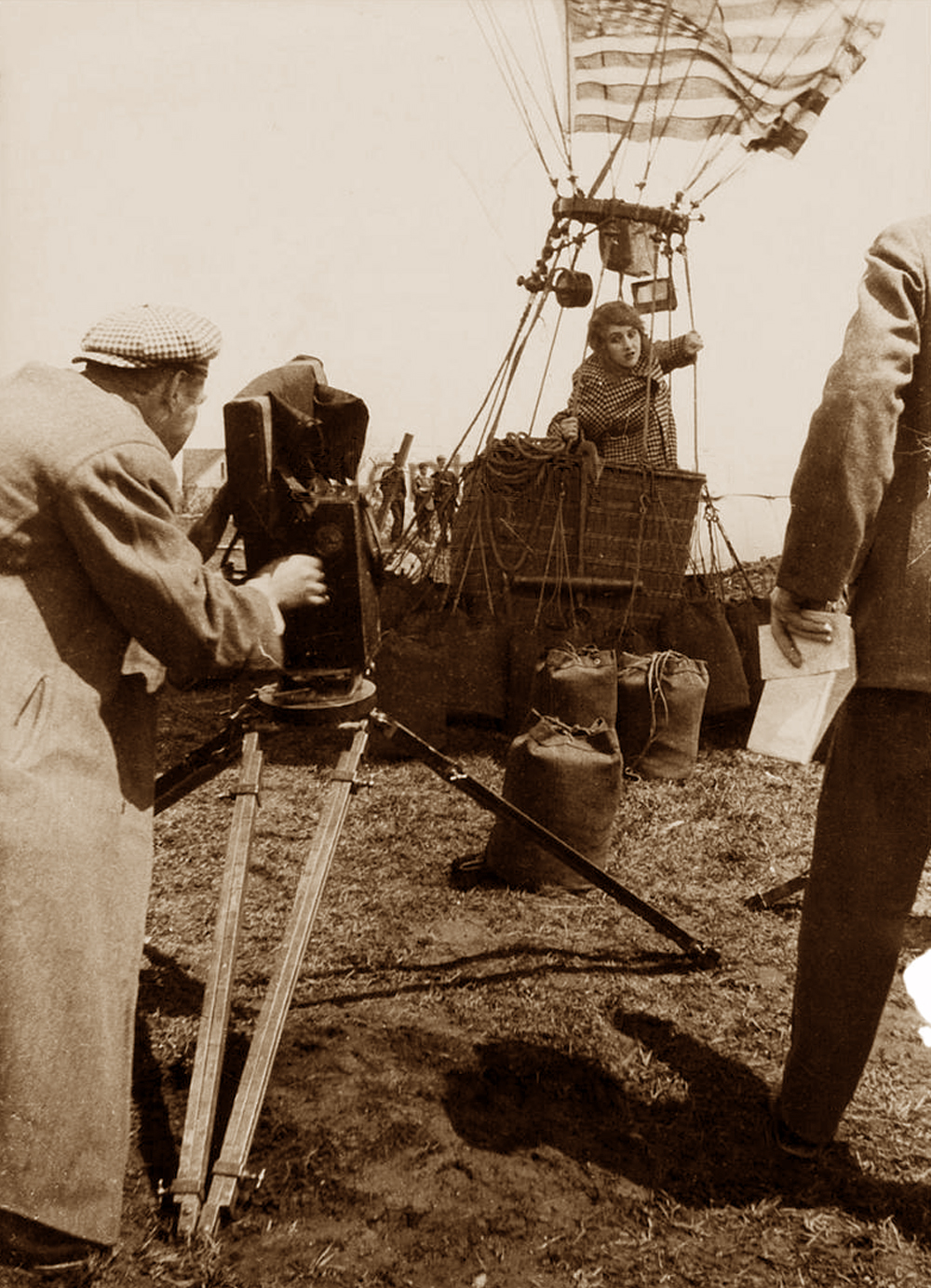 Like many other silent film stars, Pearl White performed her own stunts for the serial, at considerable risk. During one scene, the hot-air balloon she was piloting escaped and carried her across the Hudson River into a storm, before landing miles away. In another incident, she permanently injured her back in a fall. Which probably deprived us of the Dangers of Desdemona, Jeopardy of Janet and Predicaments of Prunella.
And of course White was more than once tied to railroad tracks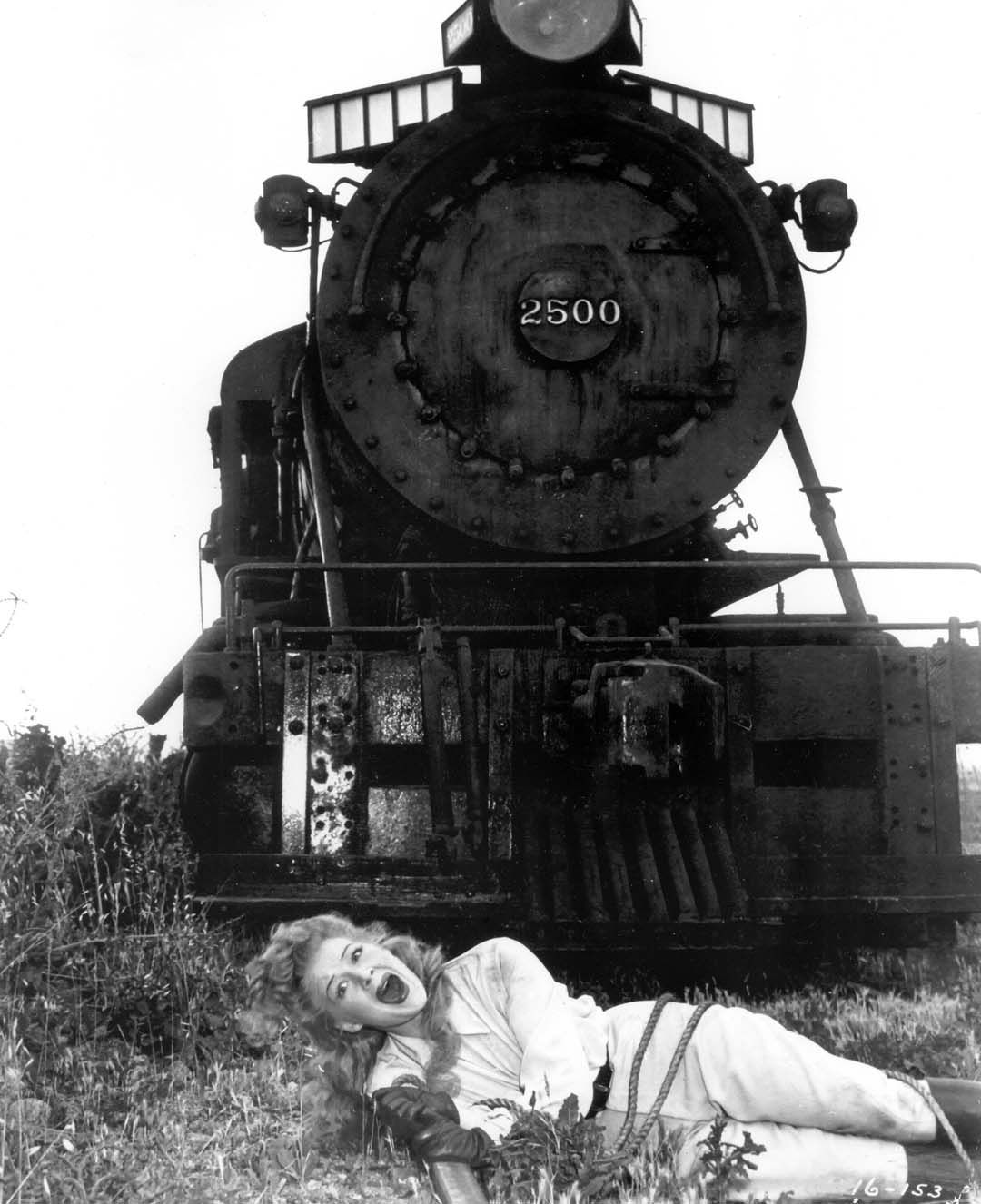 by a mustache-twirling villain. One such scene was filmed on a curved trestle in New Hope, Pennsylvania on the Reading Company’s New Hope Branch. Now referred to as “Pauline’s Trestle,” it is a tourist attraction offering rides from New Hope to Lahaska, Pennsylvania, across the original trestle.
cliff-hanger
[klif-hang-er]
noun
1. a melodramatic adventure serial in which each installment ends in suspense in order to interest the reader or viewer in the next installment.
2. a situation or contest of which the outcome is suspensefully uncertain up to the very last moment:
Stopping for a moment, she convinced herself that she had to have a good lead over her pursuers, if they were even following her. She had to find Paul. Looking around, however, she realized that not only didn’t she know where Paul was, she didn’t know where she was. She decided to work her way back in the same general direction from which she thought she had come, keeping herself hidden. If they were chasing her, they would not be stealthy. She’d hear them before they saw her. And try to find Paul. Or someone else to help. But who?
Her foot caught the bottom of her sarong, and she fell to the ground. “This damn outfit,” she said aloud as she tried to untangle herself. “I might as well be wearing a strait jacket.”
She pulled herself up to her hands and knees and looked around. There just a few feet ahead of her, two golden eyes blazed in the dark. At first they were disembodied, hovering in the air, but as they stared at her, she began to discern an outline of whatever it was that possessed the eyes. It was big, really big, and as black as the night around it. It was a cat, at least four feet at its shoulders. And it wasn’t purring.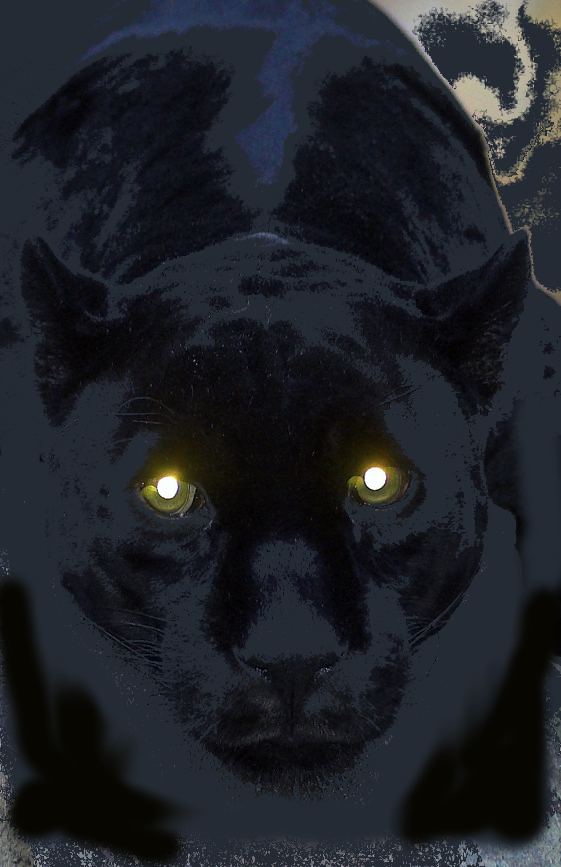
Excerpt from Voodoo Love Song by Richard Daybell


 Wretched Richard's Almanac