JULY 12, 1960: MR. POTATOHEAD WAS NOT AMUSED

Two knobs in the lower corners on the front of a plastic cube-like structure, when rotated clockwise or counterclockwise, move a stylus that displaces a metallic powder on the back of a screen, leaving horizontal and vertical lineographic images – in layman’s terms, magic. In the Romneywords of the French inventor, L’ecran Magique. Or in the words of the marketers who made it one of the 100 most memorable and most creative toys of the 20th century, Etch-a-Sketch.

The mechanical drawing toy, which was inducted into the National Toy Hall of Fame in 1998, was first marketed on July 12, 1960, by the Ohio Art Company, timed perfectly to catch the big wave of the Baby Boom. In England, it was known as the DoodleMaster Magic Screen. (There was also the Magna Doodle and the Mystic Writing Pad.)

Although it remained popular throughout the fifty plus years of its existence, the Etch-A-Sketch reached a new notoriety in 2012, when it became a part of the demise of a presidential campaign. The simple plastic rectangular box may have contributed as much to the 2012 election – in influence –  as all the SuperPACs put together. It happened when candidate Mitt Romney’s campaign manager, asked if Romney was boxing himself into ultra-conservative opinions during the primary, answered: “I think you hit a reset button for the fall campaign. Everything changes. It’s almost like an Etch-A-Sketch. You can kind of shake it up, and we start all over again.”

Trying to contain the brouhaha, the Romney campaign only added to its woes by saying that since the mention of Etch-A-Sketch caused its maker’s stock price to triple, they would next mention Mr. Potatohead.


APRIL 1, 1903: THE TENOR NOSE

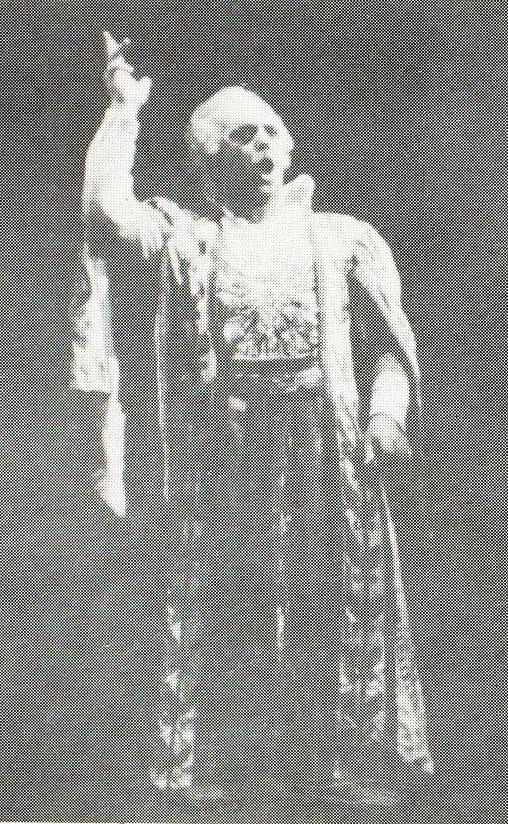
Fabrio Abruzzi was born in a village near Milan in 1883. The Abruzzi family was quite poor with Fabrio’s father cobbling together their existence as a shoemaker. Almost from the time Fabrio could walk, he was put to work pounding leather for his father. He was a nice boy (the villagers lovingly called him bambino brutto) and he was hard-working although his mind would wander and he frequently distracted himself by singing popular Italian folk songs.

As a child, he always had a pleasant singing voice and when, as a teenager, his voice changed, it became a magnificent tenor voice. Fate smiled on Fabrio. A LaScala impresario happened through the village and heard the young man sing as he pounded leather. He took Fabrio under his wings, coached him extensively and on April 1, 1903, scheduled his debut as the principal tenor in Puccini’s Euripedes et Copernica.

On the day of his performance, he prepared himself (as many leading singers of the day did) by forcing lumps of pancetta up each nostril of his nose to lubricate the nasal passages (he had a magnificent Roman nose). Unfortunately, the pancetta became wedged there and he was forced to go on stage with it still in place. Things looked bad. Fabrio did not sound like a magnificent tenor; his voice was stuffy and nasal. The audience was growing restless with the need to toss tomatoes (which Italians always brought with them to the opera). Fortunately, the famous aria ti amo mortadella comes early in the first act. It’s a robust piece and Fabrio gave it his all, thereby dislodging the pancetta and hurtling meaty projectiles through the air. One put a crack in the second violinist’s Stradavarius; another slammed into the conductor’s forehead, causing him to lead the orchestra off into an unrestrained allegro punctuated by several tomatoes to the back of his head.

But Fabrio was a success. He went on to have a short but illustrious career and was known throughout Italy as voce bellissima brutte facce.

Pancetta Projectiles in 3-D Perhaps

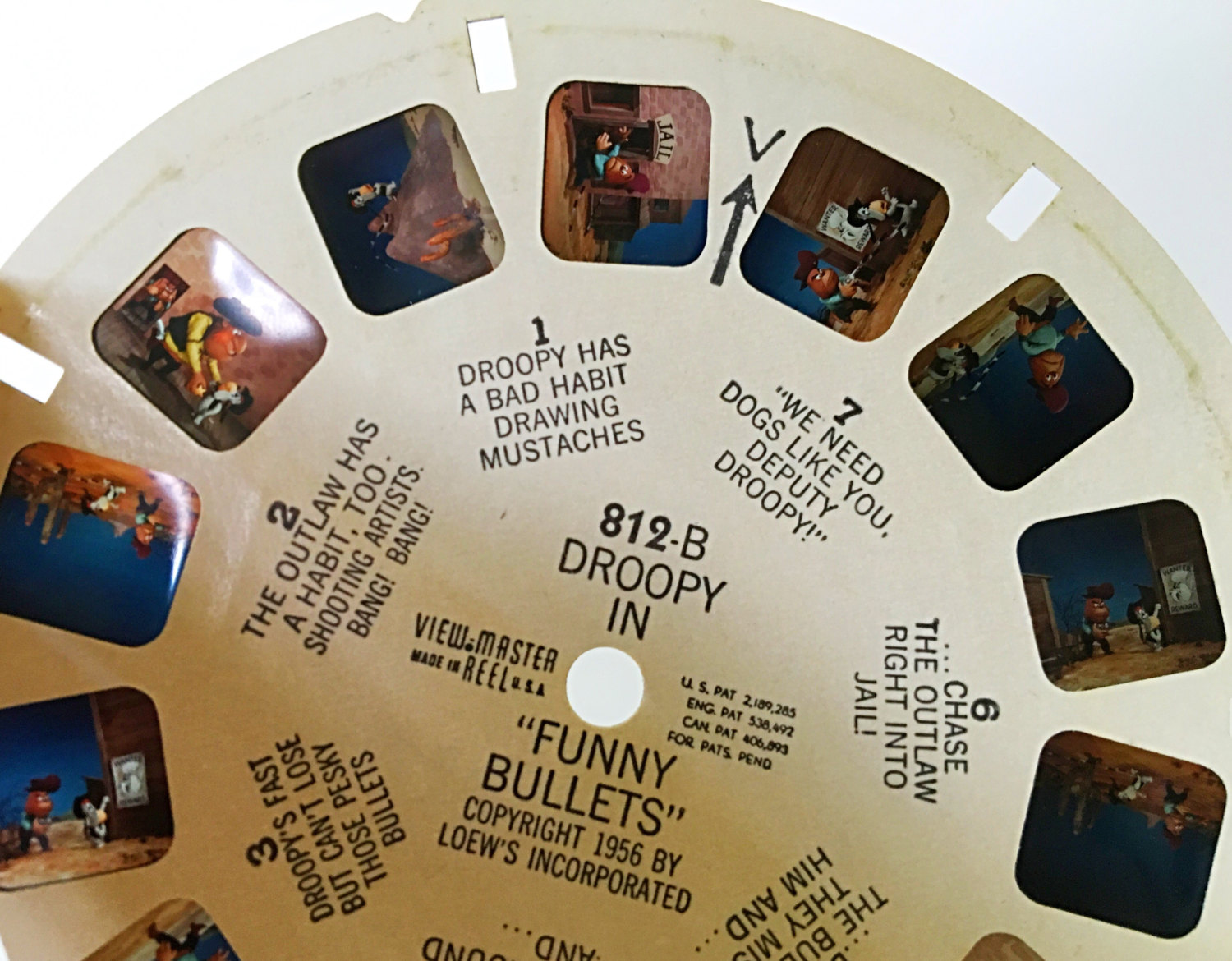
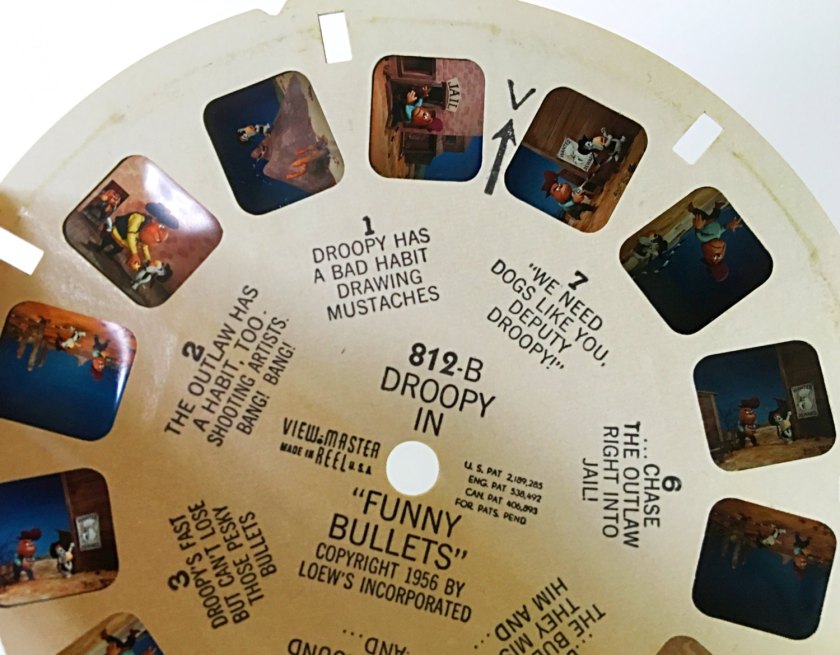
In a letter dated April 1, 1954, Edwin Eugene Mayer explained how he progressed from his early career as a pharmacist in Portland, Oregon, to head of the nation’s largest producer of photographic postcards. Somewhere along the way, Mayer had a eureka moment: updating the old-fashioned 3-D stereoscope. The result, introduced at the 1939 World’s Fair, was the View-Master (although Mayer disliked the name; he thought it sounded like some kind of kitchen appliance).

It must have been cumbersome at first, loading all those tiny people and objects into the viewer, sending the viewer back to the factory to be reloaded with new little people and objects once you got tired of the first bunch. But clever Mayer came up with a fix. Instead of loading actual little people and objects into the viewer, he developed a reel with pictures using the fancy new Kodachrome 16 mm film that had become available. The reel had seven pairs of transparencies, fooling the person looking into the viewer that he or she is seeing 3-D. The original reels were mainly scenic, but through the years, content expanded into adaptations of cartoons, movies and television. Since View-Masters introduction, there have been 25 different viewer models. The reels and the internal mechanisms have remain unchanged so that any of the more than a billion reels that have been produced will work in any viewer.

View-Master has been inducted into the National Toy Hall of Fame.

Still More 3-D

Somewhere between the stereoscope and the View-Master, another inventor was beguiled by the wonders of 3-D.  Mervin Ipod spent several years in an attempt to develop a working 3-D radio.  Unfortunately those years were spent in vain, although Mervin Ipod did go on to a bit more success with the invention that bears his name — the Mervinator.

APRIL 1, 1903: THE TENOR NOSE

Fabrio Abruzzi was born in a village near Milan in 1883. The Abruzzi family was quite poor with Fabrio’s father cobbling together their existence as a shoemaker. Almost from the time Fabrio could walk, he was put to work pounding leather for his father. He was a nice boy (the villagers lovingly called him bambino brutto) and he was hard-working although his mind would wander and he frequently distracted himself by singing popular Italian folk songs.

As a child, he always had a pleasant singing voice and when, as a teenager, his voice changed, it became a magnificent tenor voice. Fate smiled on Fabrio. A LaScala impresario happened through the village and heard the young man sing as he pounded leather. He took Fabrio under his wings, coached him extensively and on April 1, 1903, scheduled his debut as the principal tenor in Puccini’s Euripedes et Copernica.

On the day of his performance, he prepared himself (as many leading singers of the day did) by forcing lumps of pancetta up each nostril of his nose to lubricate the nasal passages (he had a magnificent Roman nose). Unfortunately, the pancetta became wedged there and he was forced to go on stage with it still in place. Things looked bad. Fabrio did not sound like a magnificent tenor; his voice was stuffy and nasal. The audience was growing restless with the need to toss tomatoes (which Italians always brought with them to the opera). Fortunately, the famous aria ti amo mortadella comes early in the first act. It’s a robust piece and Fabrio gave it his all, thereby dislodging the pancetta and hurtling meaty projectiles through the air. One put a crack in the second violinist’s Stradavarius; the other slammed into the conductor’s forehead, causing him to lead the orchestra off into an unrestrained allegro punctuated by several tomatoes to the back of his head.

But Fabrio was a success. He went on to have a short but illustrious career and was known throughout Italy as voce bellissima brutte facce.

Pancetta Projectiles in 3-D Perhaps

In a letter dated April 1, 1954, Edwin Eugene Mayer explained how he progressed from his early career as a pharmacist in Portland, Oregon, to head of the nation’s largest producer of photographic postcards. Somewhere along the way, Mayer had a eureka moment: updating the old-fashioned 3-D stereoscope. The result, introduced at the 1939 World’s Fair, was the View-Master (although Mayer disliked the name; he thought it sounded like some kind of kitchen appliance).

It must have been cumbersome at first, loading all those tiny people and objects into the viewer, sending the viewer back to the factory to be reloaded with new little people and objects once you got tired of the first bunch. But clever Mayer came up with a fix. Instead of loading actual little people and objects into the viewer, he developed a reel with pictures using the fancy new Kodachrome 16 mm film that had become available. The reel had seven pairs of transparencies, fooling the person looking into the viewer that he or she is seeing 3-D. The original reels were mainly scenic, but through the years, content expanded into adaptations of cartoons, movies and television. Since View-Masters introduction, there have been 25 different viewer models. The reels and the internal mechanisms have remain unchanged so that any of the more than a billion reels that have been produced will work in any viewer.

View-Master has been inducted into the National Toy Hall of Fame.

Still More 3-D

Somewhere between the stereoscope and the View-Master, another inventor was beguiled by the wonders of 3-D.  Mervin Ipod spent several years in an attempt to develop a working 3-D radio.  Unfortunately those years were spent in vain, although Mervin Ipod did go on to a bit more success with the invention that bears his name — the Mervinator.

JULY 12, 1960: MR. POTATOHEAD WAS NOT AMUSED

Two knobs in the lower corners on the front of a plastic cube-like structure, when rotated clockwise or counterclockwise, move a stylus that displaces a metallic powder on the back of a screen, leaving horizontal and vertical lineographic images – in layman’s terms, magic. In the Romneywords of the French inventor, L’ecran Magique. Or in the words of the marketers who made it one of the 100 most memorable and most creative toys of the 20th century, Etch-a-Sketch.

The mechanical drawing toy, which was inducted into the National Toy Hall of Fame in 1998, was first marketed on July 12, 1960, by the Ohio Art Company, timed perfectly to catch the big wave of the Baby Boom. In England, it was known as the DoodleMaster Magic Screen. (There was also the Magna Doodle and the Mystic Writing Pad.)

Although it remained popular throughout the fifty plus years of its existence, the Etch-A-Sketch reached a new notoriety in 2012, when it became a part of the demise of a presidential campaign. The simple plastic rectangular box may have contributed as much to the 2012 election – in influence –  as all the SuperPACs put together. It happened when candidate Mitt Romney’s campaign manager, asked if Romney was boxing himself into ultra-conservative opinions during the primary, answered: “I think you hit a reset button for the fall campaign. Everything changes. It’s almost like an Etch-A-Sketch. You can kind of shake it up, and we start all over again.”

Trying to contain the brouhaha, the Romney campaign only added to its woes by saying that since the mention of Etch-A-Sketch caused its maker’s stock price to triple, they would next mention Mr. Potatohead.