
Prophet, evangelist, guardian of the gates of heaven and hell, and notorious pain in the butt Lodowicke Muggleton was born in 1609. Uneducated, he worked as a tailor until his forties when he began to have revelations, announcing to the world that he and his cousin were the last two witnesses of God that would ever be appointed on earth and the exclusive deciders of who got into heaven and who didn’t. When his cousin died, Muggleton took this great burden upon himself.
Blessing those who listened to him and cursing those who didn’t, he eventually attracted a few followers who became known as Muggletonians. His cursing and raving made him enough of a public nuisance that he was twice jailed, fined and sentenced to stand in the pillory for several days. He had a particular dislike of Quakers which he spelled out in his book with the catchy title The Neck of the Quakers Broken or Cut in Sunder by the Two-Edged Sword of the Spirit Which Is Put Into My Mouth (1663).
Among some of the more interesting Muggletonian beliefs: Heaven is six miles above Earth; God is between five and six feet tall and has absolutely no interest in the affairs of mankind. Man’s greatest enemy is not the Devil, who doesn’t exist, but Reason, which, for humans, is unclean and filthy. They had no organized worship; they would sometimes meet in taverns to talk and sing rancorous Muggletonian songs.
Muggleton died at the age of 88, and his religion more or less continued for centuries after him. One Philip Noakes who bequeathed to the British Library an archive of Muggletonian documents in 1979 is thought to have been the last surviving Muggletonian, although this entry is bound to bring a few more out of hiding.
Perhaps He Was a Muggletonian
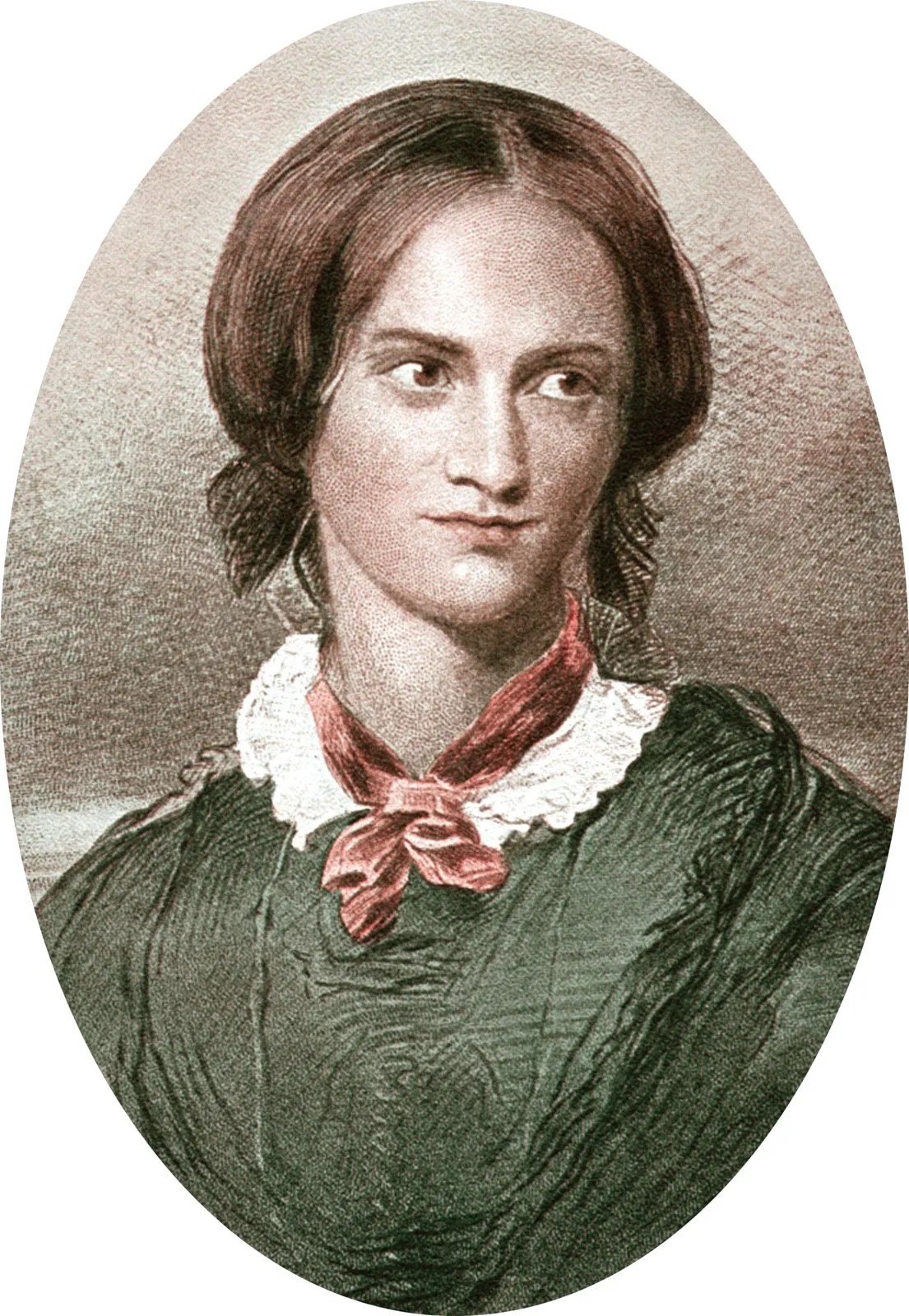 In 1837, British poet laureate Robert Southey wrote a letter to 20-year-old Charlotte Brontë. The letter was in reply to her letter of a few months earlier asking him for his opinion on whether a poem she enclosed was any good and whether she should continue to write. Her letter and the poem are lost, but Southey’s infamous reply was not. One noted passage: “Literature cannot be the business of a woman’s life, and it ought not to be. The more she is engaged in her proper duties, the less leisure will she have for it even as an accomplishment and a recreation. To those duties you have not yet been called, and, when you are, you will be less eager for celebrity.”
Brontë’s thank you letter resonates with veiled sarcasm: “Once more allow me to thank you with sincere gratitude. I trust I shall never more feel ambitious to see my name in print; if the wish should rise, I’ll look at Southey’s letter and suppress it.” Ten years later, she wrote Jane Eyre. Raise your hand if you remember Robert Southey.

 Wretched Richard's Almanac