APRIL 4, 1914: TO BE CONTINUED

The Perils of Pauline, one of the earliest American movie serials and a classic example of the damsel in distress genre, premiered in Los Angeles on April 4, 1914. Every week for twenty weeks, actress Pearl White faced imminent danger and sure death at the hands of pirates, hostile Indians, gypsies and various mustachioed villains, escaping at the last possible second through her own ingenuity, resourcefulness and pluck. Her adventures in Pauline and the follow-up Exploits of Elaine were popular movie fare through the 1920s. Neither serial was a true “cliffhanger” in which episodes end with an unresolved danger to be resolved at the beginning of the next installment.  Instead White jumped in and out of the jaws of death in each installment.
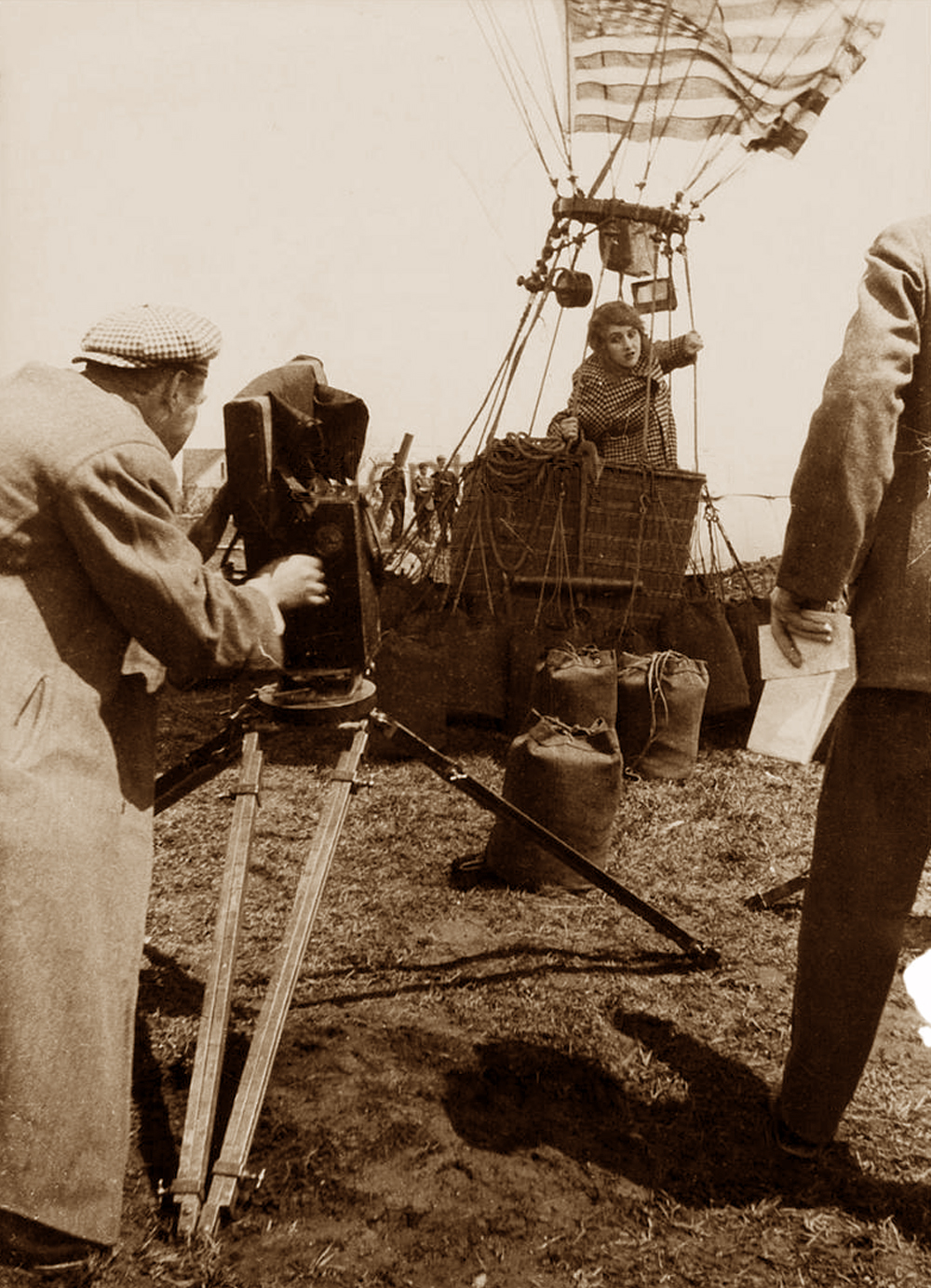
Like many other silent film stars, Pearl White performed her own stunts for the serial, at considerable risk. During one scene, the hot-air balloon she was piloting escaped and carried her across the Hudson River into a storm, before landing miles away. In another incident, she permanently injured her back in a fall.  Which probably deprived us of the Dangers of Desdemona, Jeopardy of Janet and Predicaments of Prunella.

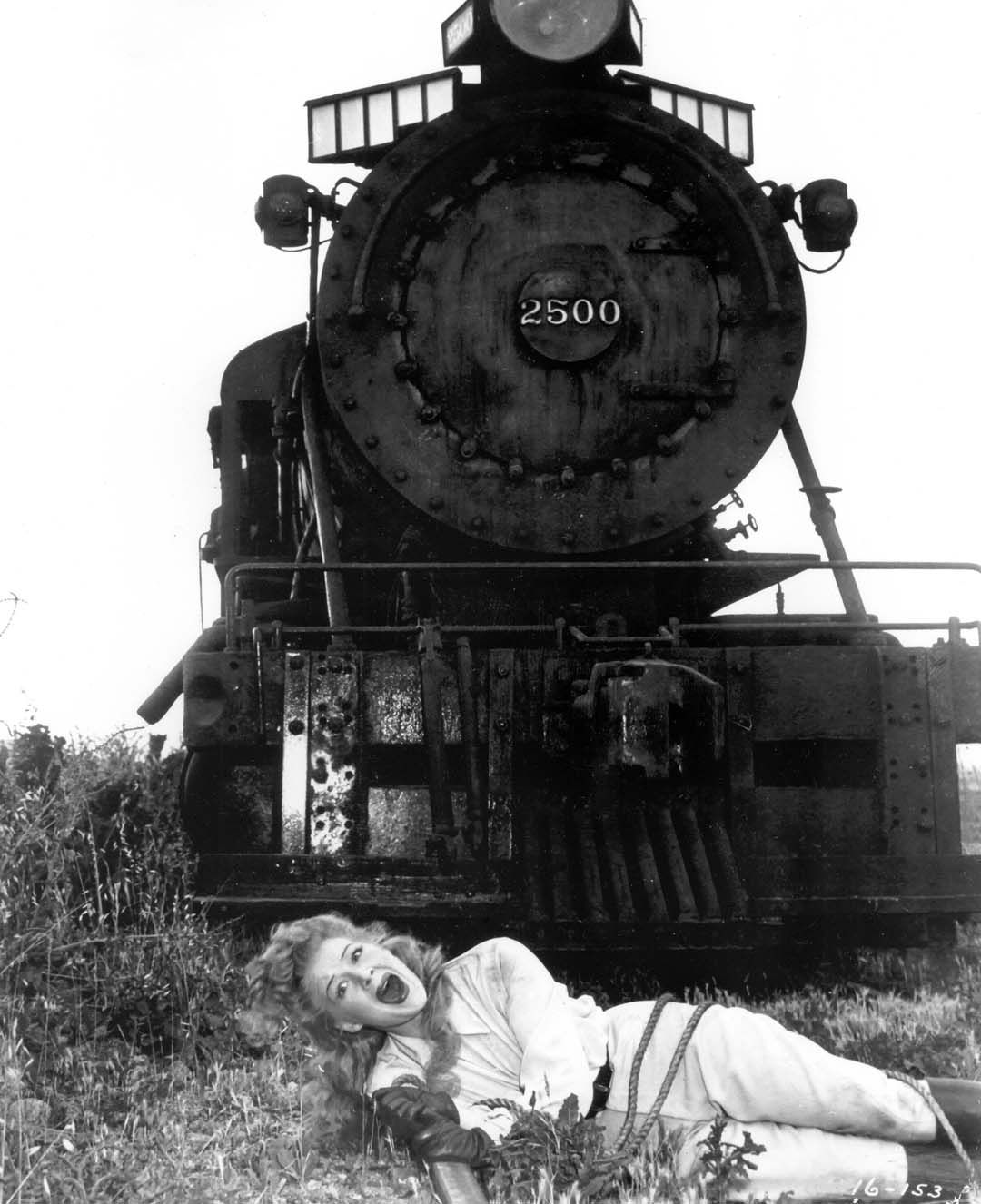
And of course White was more than once tied to railroad tracks by a mustache-twirling villain. One such scene was filmed on a curved trestle in New Hope, Pennsylvania on the Reading Company’s New Hope Branch. Now referred to as “Pauline’s Trestle,” it is a tourist attraction offering rides from New Hope to Lahaska, Pennsylvania, across the original trestle.
cliff-hanger

[klif-hang-er]

noun

1. a melodramatic adventure serial in which each installment ends in suspense in order to interest the reader or viewer in the next installment.

2. a situation or contest of which the outcome is suspensefully uncertain up to the very last moment:

Stopping for a moment, she convinced herself that she had to have a good lead over her pursuers, if they were even following her. She had to find Paul. Looking around, however, she realized that not only didn’t she know where Paul was, she didn’t know where she was. She decided to work her way back in the same general direction from which she thought she had come, keeping herself hidden. If they were chasing her, they would not be stealthy. She’d hear them before they saw her. And try to find Paul. Or someone else to help. But who?

Her foot caught the bottom of her sarong, and she fell to the ground. “This damn outfit,” she said aloud as she tried to untangle herself. “I might as well be wearing a strait jacket.”

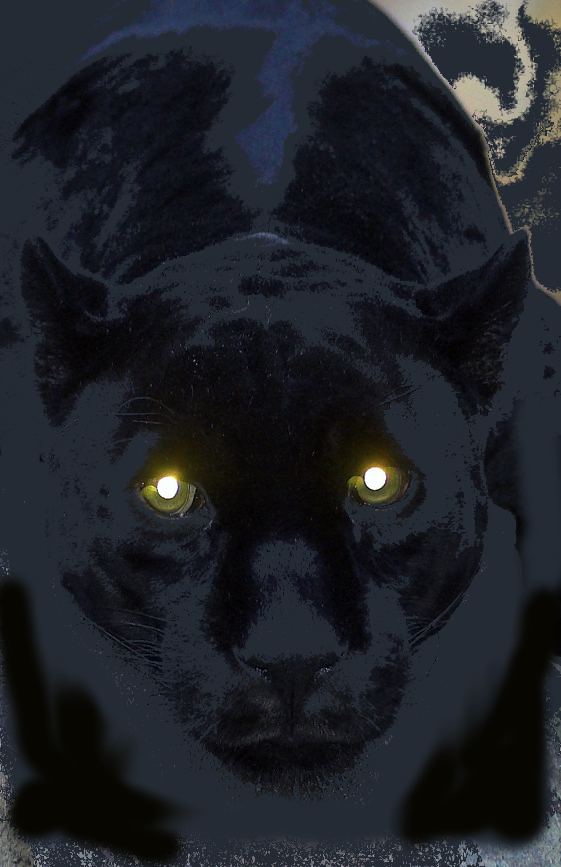
She pulled herself up to her hands and knees and looked around. There just a few feet ahead of her, two golden eyes blazed in the dark. At first they were disembodied, hovering in the air, but as they stared at her, she began to discern an outline of whatever it was that possessed the eyes. It was big, really big, and as black as the night around it. It was a cat, at least four feet at its shoulders. And it wasn’t purring.
Excerpt from Voodoo Love Song by Richard Daybell
APRIL 2, 1877: Faster Than a Speeding Cannonball

Some dreamers looked to the stars and wondered what it would be like to fly through space.  Some looked to the sky and wondered what it would be like to fly like a bird.  Then there were those that looked at a cannon and wondered what it would be like to be shot through the air from that cannon.  We remember and idolize our flight pioneers and space pioneers.  Can you remember the name of a single human cannonball?

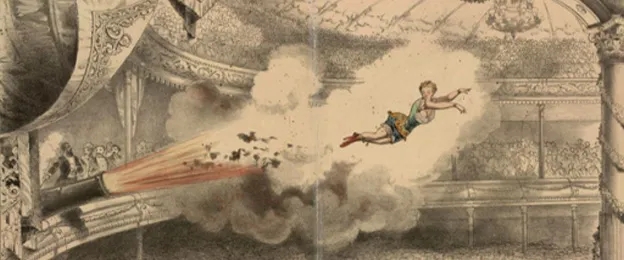
How about Zazel?  Yes, back in 1877, April 2 to be exact ,when those amazing men in their flying machines were still staring at pigeons and wondering how, 14-year-old Rossa Matilda Richter became the first in a storied line of Second Amendment enthusiasts to be shot right out of a cannon and into immortality.  The oohs and aahs of the crowd at the Royal Aquarium in London as Zazel soared overhead to a net some 70 feet away were the nascent sounds of a gun lobby to be.

Zazel was the protégé of The Great Farini, the Canadian rope-walker known for performing above Niagara Falls. He invented the device that would launch Zazel and other human projectiles for years to come.

Zazel’s act was an amazing success. At the peak of her career, she was earning £200 a week, performing before crowds of 20,000 or more every day in England and the USA.  Although many others followed in her footsteps, she was the first and the level of danger she faced was the highest. Eventually it caught up with her: she missed the net, and although she survived, she broke her back.  She retired and faded into obscurity.

The Terrible Terrible Biddle Boys

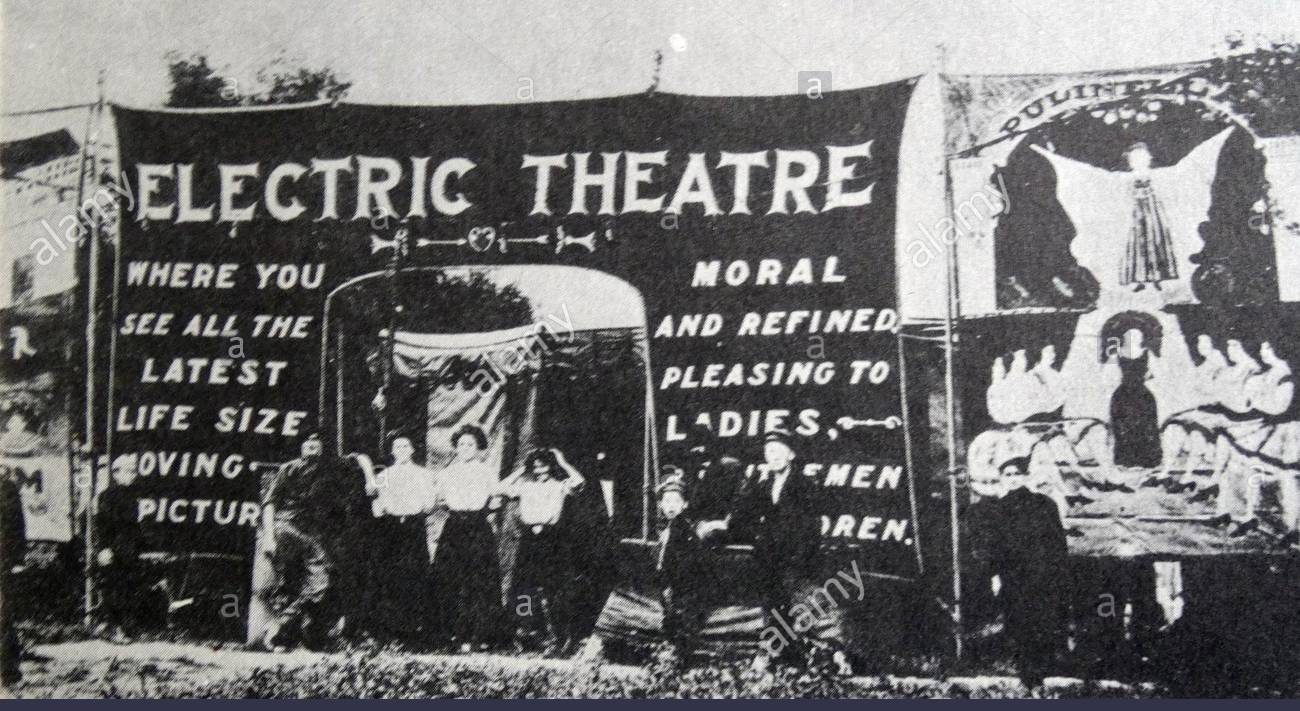
Admission was ten cents. The movie lasted about an hour. There were no cartoons or newsreels. The first theater to show an actual movie was the Electric Theater in Los Angeles on April 2, 1902. The Capture of the Biddle Brothers was an adventure melodrama based on actual events.

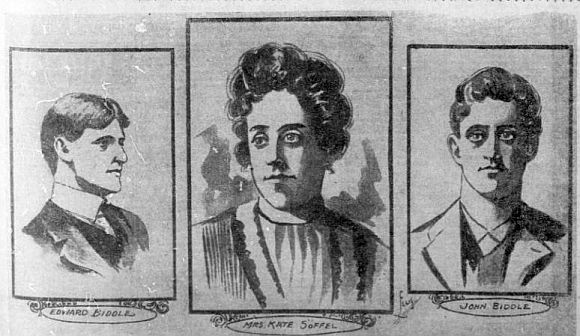
A few months earlier, condemned prisoners Jack and Ed Biddle escaped from a Pennsylvania jail using tools and weapons supplied to them by the warden’s wife, Kate Soffel. “Our picture, which is a perfect reproduction of the capture, is realistic and exciting,” the producer exclaimed — breathlessly one might imagine. Two sheriff-filled sleighs pursue the Biddles and Soffel through the white and drifting snow. The dastardly trio turns to make a stand, shotguns and revolvers blazing. Ed Biddle is shot, falls to the ground in a snow bank. On one elbow, he continues to fire shot after shot until he collapses. The second Biddle continues to fire, and he too is shot. Mrs. Soffel seeing the hopelessness of their situation, if not the error of her ways, attempts to shoot herself. All three are captured. The brothers both die of their wounds. Mrs. Soffel survives, but a reconciliation with her warden husband is probably unlikely.

The movie itself did not survive, and the names of the actors are lost to history. Oddly enough a remake — well maybe not exactly a remake — was released in 1984.  Mrs. Soffel starring Diane Keaton and Mel Gibson once again tells the tale of the terrible, terrible Biddle brothers. But not for a dime.


March 6, 1941: The Bigger They Are

If asked to name an important sculptor, the name John Gutzon de la Mothe Borglum, would not come tripping off most people’s lips, although his most important work certainly would. Borglum died on March 6, 1941, leaving the monument he had worked on since 1927 uncompleted.

Borglum sculpted big: a portrait of Abraham Lincoln carved from a six-ton block of marble, a 76 by 158 foot bas-relief of Confederate heroes, and what would have been his biggest ever, the 60-foot heads of George Washington, Thomas Jefferson, Abraham Lincoln and Theodore Roosevelt carved into the granite face of Mount Rushmore in South Dakota.

From the very moment the monument was completed, folks have wanted to edit it by sticking another head up there.  And they become quite passionate about whose head it should be.

 In 1937, while work was still in progress, a bill was introduced in Congress to add women’s right activist Susan B. Anthony. It failed to advance.  A 2010 poll suggested JFK.  Ronald Reagan, Bill Clinton and Barack Obama all had their hats tossed into the ring. Obama responded “I don’t think my ears would make it. There’s only so much rock up there.”

Donald Trump’s head would not satisfy the MAGA tribe.  They want it to be renamed Mount Trumpmore.

The support for a fifth head gets no government support: “The National Park Service takes the position that death stayed the hand of the artist and the work is complete in its present form. Thus, to maintain both the integrity of the structure and the artist’s concept, there is no procedure for adding another likeness, the sculpture is complete.”

The Nose Knows

Mount Rushmore is home to 2 million visitors and has been extensively depicted throughout popular culture, probably most famously in the climactic chase scene in Alfred Hitchcock’s 1959 thriller North by Northwest with Cary Grant swatting at secret agents from Lincoln ‘s forehead. Hitchcock later admitted: “I wanted Cary Grant to hide in Lincoln’s nostril and then have a fit of sneezing . . . the Department of Interior was rather upset at this thought. I argued until one of their number asked me how I would like it if they had Lincoln play the scene in Cary Grant’s nose. I saw their point at once.”

The Nose Knows II

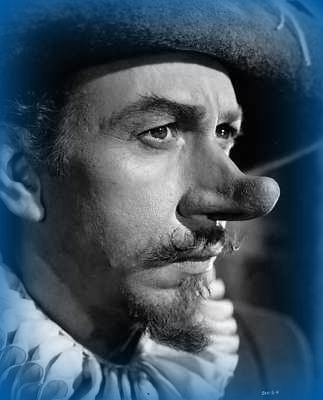
Cyrano de Bergerac, born in 1619, is of course best known in modern times for his nose. According to legend, it was quite large. Depending on which account you accept, Cyrano was either a French aristocrat, author and military hero with a big nose or the descendant of a Sardinian fishmonger who suffered from syphilis with a big nose. He was an early writer of science fiction, and in his most famous work, The Other World, Cyrano travels to the moon using rockets powered by firecrackers where he meets the inhabitants who have four legs, musical voices, and firearms that shoot game and cook it — the TV rights are still available, if you’re interested.  A  lesser known work, Noses from Mars, is self-explanatory.

Then we come to the story of Cyrano himself and how he courted the fair Roxanne on behalf of his friend Christian.  Although these people are real, the story is alas! pure fiction, which is probably just as well, for Roxanne was Cyrano’s cousin and had they ever consummated their relationship, their children would have been half-wits with big noses.

February 23, 1930: Bye Bye Miss American Pie

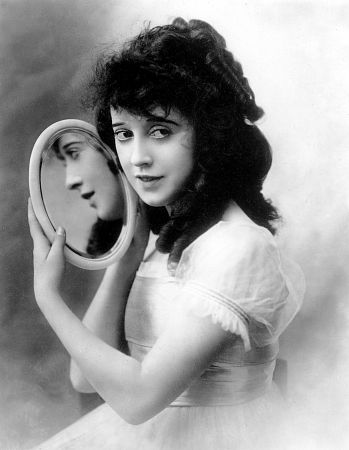
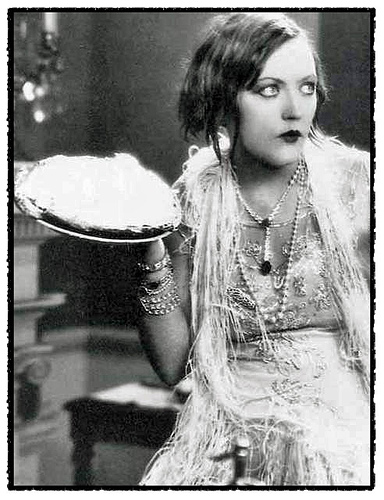
Silent film star Mabel Normand died on February 23, 1930, after a short but stellar career as an actress, screenwriter, director and producer. She collaborated with Mack Sennett and appeared with Charlie Chaplin in a dozen films and Fatty Arbuckle in another 17. It was in one of those films,  that she made cinematic history, in a scene that she became associated with for the rest of her career, when she received a pie in the face from Fatty Arbuckle.  This bit of slapstick became a staple in comic films from then on, and it is the rare comedian who has not received at least one pie in the face.

Pie throwing reached something of a peak in 1965 in the film The Great Race.  In a technicolor pie fight scene  that took five days and cost over $200,000 to film, a total 4,000 pies were hurled in just over four minutes.


Hanging Around in England

In November 1884, Ellen Keyse was found dead in the pantry of her hangingExeter, England, home. She had been beaten and her throat had been cut. John Lee, who worked for the wealthy victim was charged with the crime. The 19-year-old was found guilty and was sentenced to be hanged on February 23, 1885.  On the day of his comeuppance, Lee was led to the gallows, where his executioners placed a noose around his neck. They pulled the lever that would release the floor under him and drop him to his death. The big oops: John Lee was not dispatched — red faces all around. The apparatus had been thoroughly tested the previous day and had been in fine working order. They tried once again. Nothing. And again. Still a no-go. Flabbergasted, they returned Lee to his prison cell, while they pondered the situation.

The authorities remained mystified, so they did what authorities often do when mystified. They attributed the malfunction to an act of God, and rather than risk God’s anger, they commuted his sentence and removed him from death row. He spent 22 years in prison, and upon being released, promptly set sail for America.

February 22, 1934: Come Back Little Sheba

Long before Google, searching was a bit more physical, involving explorers, globetrotters and other adventurous types, out to find the Holy Grail, Atlantis, the Northwest Passage, the seven cities of gold, Jimmy Hoffa, Elvis.

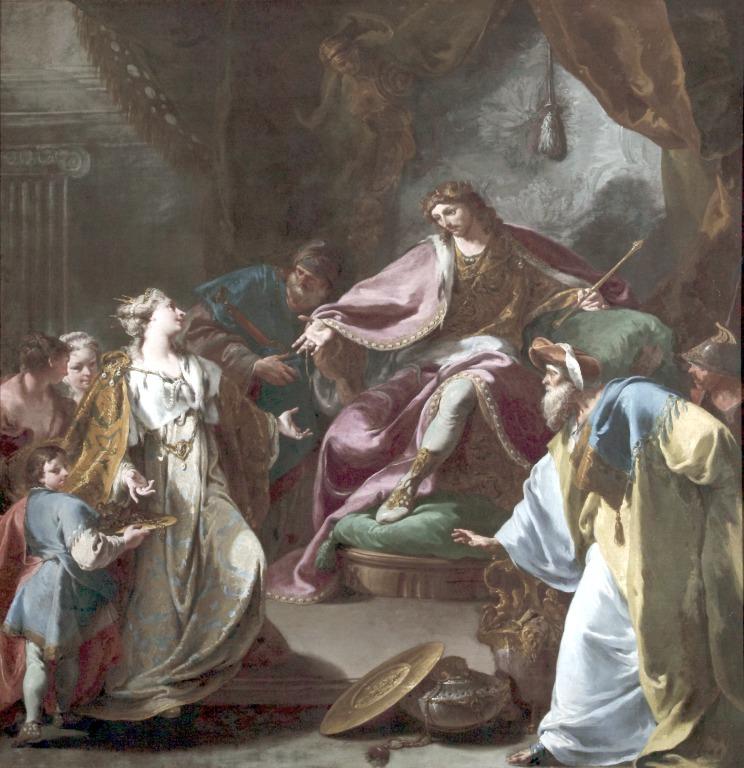
On 22 February 1934, adventurous type, French novelist André Malraux set off on a quest to find the lost capital of the Queen of Sheba mentioned in the Old Testament and other religious texts.  His expedition took him to remote deserts of war-torn Saudi Arabia and Yemen, the countries in which scholars deemed it most likely to be located.  As the story goes the Queen of Sheba had heard about wise King Solomon of Israel, and she decided to pay him a visit.  She hopped on her camel and made for Jerusalem, bearing hostess gifts of frankincense*, myrrh and a few precious baubles, the ancient counterpart of flowers and a bottle of wine.  As a guest, she peppered him with questions and riddles testing his wisdom.  In return, he impregnated her.

After several weeks of searching Malraux returned to France and announced that some nondescript Yemeni ruins were indeed the lost city, but no one really believed him.  And they didn’t believe he had spotted Elvis either.

* Just what is this frankincense that was so popular as a gift?  Frankincense is a gummy substance extracted from the trunk of the Boswellia tree.  Its oil when rubbed on evidently makes one healthy, wealthy and wise**.

**And smell good too. (A footnote on a footnote.  How about that?) ***.

***Just for fun, you could create your own footnote.

Not Your Typical Barbarian

You can pretty much be certain you’ve got a turkey on your hands when you’ve got actors such as Susan Hayward, Agnes Moorehead , and John Wayne playing Mongolians, when the entire film is shot in one location in a desert in southern Utah (haven’t we seen that rock before?) and when you have such dialogue as:

“Joint by joint from the toe and fingertip upward shall you be cut to pieces, and each carrion piece, hour by hour and day by day, shall be cast to the dogs before your very eyes until they too shall be plucked out as morsels for the vultures . . . pilgrim.”

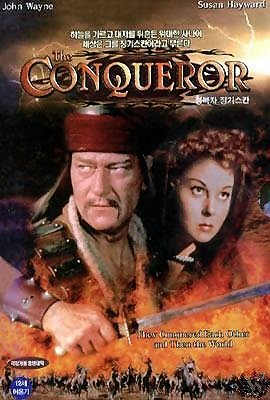
The Conqueror, released on February 22, 1956, was the epic story of a 12thconqueror century Mongol warlord who worked his way up the barbarian ladder to become the infamous Genghis Khan. Produced by Howard Hughes, it was meant to be his crowning cinematic masterpiece. The film cost $6 million to film in Cinemascope and Technicolor and is frequently ridiculed in the same breath as Plan 9 from Outer Space, another 50s flop which cost about $2.99 to make. Hughes spent another $12 million to buy back every single print of the film after its disastrous release.

The Conqueror not only destroyed RKO, the studio that made it, but wiped out a good number of the cast and crew. The shooting location turned out to be downwind from Yucca Flats, Nevada, where the government was merrily testing atomic bombs, and the cast and crew received far more than the recommended daily allowance of radioactive fallout. Nearly half of them, including Wayne, were later diagnosed with cancer (although Wayne also smoked six packs a day).


February 18, 1953: Leaping from a Screen Near You

An exciting new kind of movie opened in New York City on February 18, 1953, and quickly took the entire nation by storm. It promised each and every theater patron the cinematic excitement of a lion in his or her lap. It was the latest attempt by desperate movie studios to pry people away from those insidious television sets that had popped up in living rooms everywhere, to get them back into theaters.  In a frenzy they had tried to beat the little box with Cinerama, Cinemascope and a host of other Deadly Cins.

The new kind of movie was of course 3-D, complete with those funny little glasses (sadly lacking a big nose and mustache), and this first film was called Bwana Devil. Not only did audiences have to sit through a newsreel and a featurette about folk dancing in a remote Himalayan village to get to the good stuff, they also had to endure an opening lecture on just how this modern marvel worked. A very serious scientist in a lab coat delivered this lecture. He described the 3-D process in numbing detail while the antsier members of the audience chewed Necco wafers and stared at him through those special glasses, wondering why he remained flat as a pancake in a lab coat.

Bwana Devil was a jungle flick (in case you wondered), obviously chosen so that it could feature lions and tigers and elephants and giraffes leaping from the screen onto the unsuspecting audience, causing most of the ten-year-olds to pee their pants. “Let’s see your 15 inch, black and white TV do that,” Messieurs Metro, Goldwyn and Mayer snickered.

And they continued to do that, with westerns, in which Indians would shoot flaming arrows indiscriminately into the audience – one of them right into the forehead of a kid sitting in the third row. Or creepy horror films in which a mad scientist reached into the audience plucking a comely teenager by the throat, pulling her out of her seat, sucking her into the screen never to be seen again.  And Cat-Women on the Moon — sexy moon maidens in black tights leaping into the aisles and luring ogling men into the lobby for who knows what? Hollywood had struck back.

To experience the sheer terror of 3-D, tape red cellophane over your left eye and blue cellophane over your right eye.  Then look at the picture below and Omigod! Look out for the tiger!.

tiger-large

Naming Rights

Born on this day in 1745, Italian physicist Alessandro Volta, inventor of the electric battery, for whom the volt was named (not to be confused with the Volta Boatman).  There’s also Georg Ohm  and Andre-Marie Ampere, but they weren’t born on February 18.  Ernst Mach was, in 1838.  He was the Austrian physicist who gave his name to a unit of speed.  And way back in 1516, the daughter of Henry VIII,  Mary Tudor, who gave her name to the popular cocktail, the Bloody Tudor.

February 15, 1914: Body Snatchers Everywhere

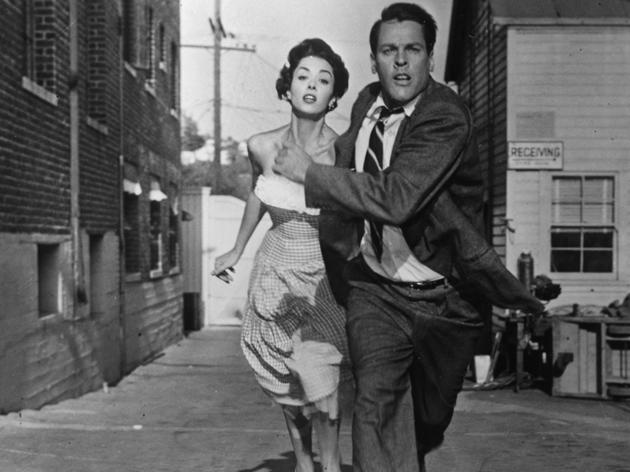
Although he made more than 200 film and television appearances, actor Kevin McCarthy, born February 15, 1914, is forever linked to one film,  Invasion of the Body Snatchers. The 1956 sci-fi horror classic features McCarthy as a small town doctor who discovers an alien invasion in which plant spores from outer space have fallen to Earth where they grow into large pods.

Placed next to sleeping townspeople, the pods replicate their victims assuming their exact physical characteristics, memories and personalities but lacking any human emotion. One by one these pod people take over, leaving only Kevin McCarthy to warn the outside world: “They’re here already! You’re next! You’re next!”

In a 1978 remake of the film, McCarthy makes a cameo appearance playing his original character as an old man still frantically warning passing motorists of the invasion.

McCarthy should not be confused with another Kevin McCarthy the former Republican Minority House Leader and most likely a pod person.

In yet another remake, The Creeping Menace from Mar-a-Lago, the pods attack the US Senate, sidling up to sleeping Republican Senators, sucking away not only their human emotions but their integrity as well. (They skip the House because there’s nothing to suck away.) And there’s no Kevin McCarthy (the actor) to warn them this time, his having died in 2010. But wait, there’s Mitt Romney who has traded in his Etch-a-Sketch for a conscience. For a moment, we think there’s a glimmer of hope for mankind, but then we spot Ted Cruz.

You Too, Fu

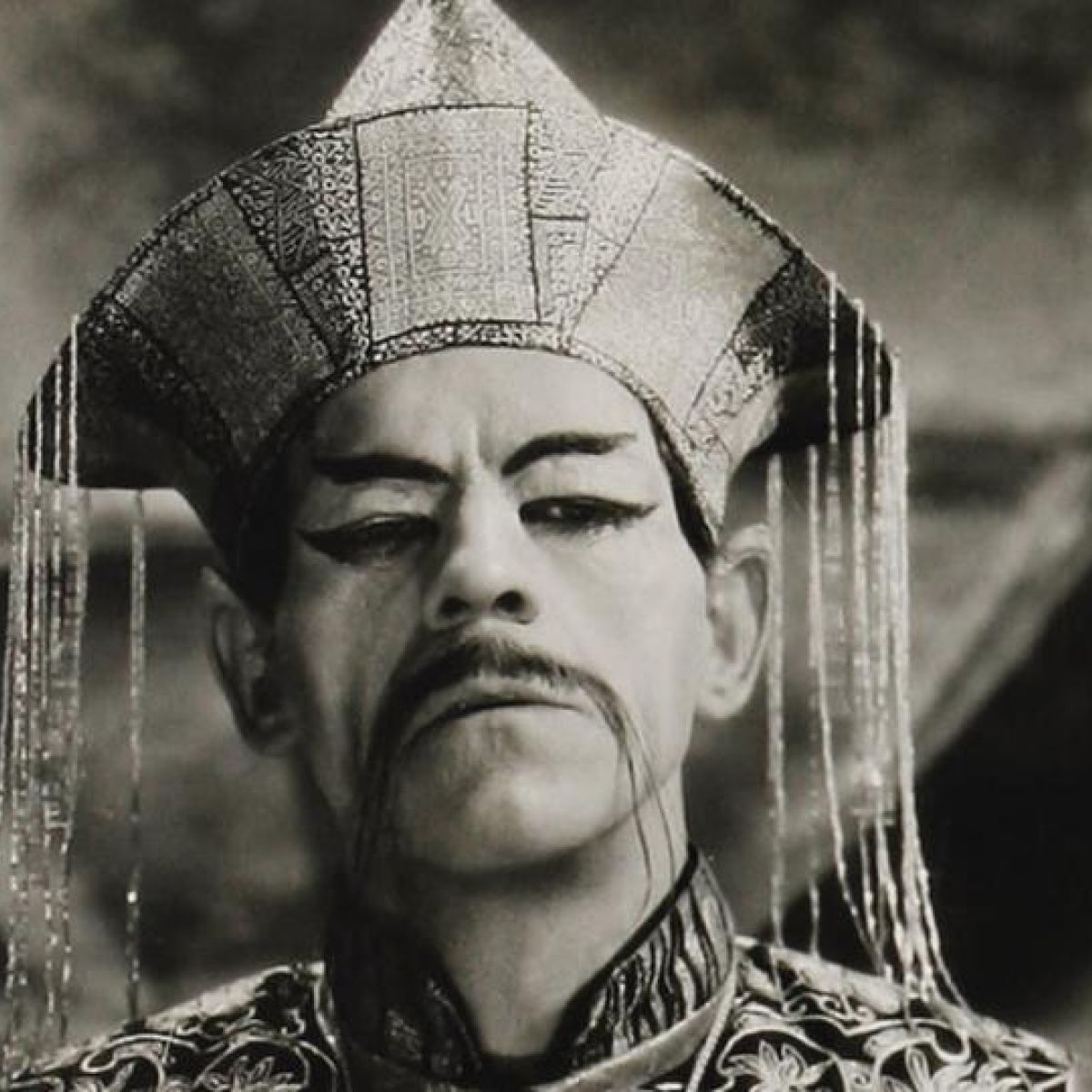
Novelist Sax Rohmer, born on February 15, 1883, is probably not as well-known as his famous villain, the evil genius Fu Manchu (not to be confused with the “stable genius”), “tall, lean, and feline, high-shouldered, with a brow like Shakespeare and a face like Satan, a close-shaven skull, and long, magnetic eyes of the true cat-green.” The 13 fast-paced adventures make lively reading if you can get past the frequent overt racial slurs.  And here we are back at Mar-a-Lago.

February 10, 2024: Year of the Dragon

Today is the beginning of the Chinese New Year, the Year of the Dragon.  It’s bound to be a bit more exciting than the departing year, that of the Rabbit.  The Rabbit makes nice, the Dragon makes noise.  To those who believe in the Chinese zodiac, dragons mean good luck, strength and power. They control the weather and water. Alas, they don’t breathe fire.  Western dragons on the other hand, all breathe fire.  They scorch, devour maidens, and whack knights.

According to those who study such things, dragons are the creations of our innate fear of snakes, big reptiles and other predators who dined on our primate ancestors. They lurked in dark caves’ deep pools and haunted forests. Their images were exaggerations of living creatures such as Komodo dragons, gila monsters, iguanas and alligators.

One of the most notable dragon legends features the dashing onward Christian soldier, St. George.  It seems that a nasty dragon was terrorizing the English countryside, demanding tribute from the local villagers.  They gave the dragon trinkets and livestock, but they eventually ran out of such stuff, so they began offering human tribute.  This worked out okay until a princess was chosen as the next offering.  St. George came to her rescue and killed that dragon.  Don’t you believe it, folks; dragons live forever, but not so little boys.  It says so right there in the song.

Here’s another take on the St. George legend:

Year of the Wolf

Struggling in the long shadow cast by his famous father, Lon Chaney, Jr. (Creighton Tull Chaney), born February 10, 1906, finally found his career in the 1930s after his father’s death. Cast mostly in small supporting roles for several years, his first major film role came in 1939, when he reprised his turn on the stage as Lennie Small in Of Mice and Men, a critical success.

Then in 1941, he starred as the tortured Larry Talbot, a role with which he would always be associated, in The Wolf Man. Like Boris Karloff and Bela Lugosi, he would be a horror film actor for the rest of his life. (Chaney was the only actor to play all four of Universal’s heavyweight creatures: Frankenstein’s monster, Dracula, the Mummy, and the Wolf Man)

Year of the Nose

Unlikely star entertainer Jimmy Durante was born February 10, 1893. Saiddurante critic Leonard Maltin about Durante: “The old ‘schnozzola’ was the living embodiment of the term ‘beloved entertainer’: Everyone adored him, but no one could ever really figure out just what it was he did. He sang, he danced, he played the piano and, of course, he clowned — but he wasn’t really great at any of these tasks. Mostly, it was the sheer force of his overbearing personality that won viewers over.”


FEBRUARY 7, 1908: Been There, Done That

Not another man swinging through the trees in Africa wearing nothing but a loincloth.  Afraid so.  Athlete turned actor, Buster Crabbe (born Clarence Linden Crabbe II, on February 7, 1908), followed in Elmo Lincoln’s footsteps, starring as the ape man in Tarzan the Fearless, a 1933 serial that was later compiled into a full-length movie.  Crabbe dived into his movie career after winning Olympic gold for freestyle swimming in 1932.

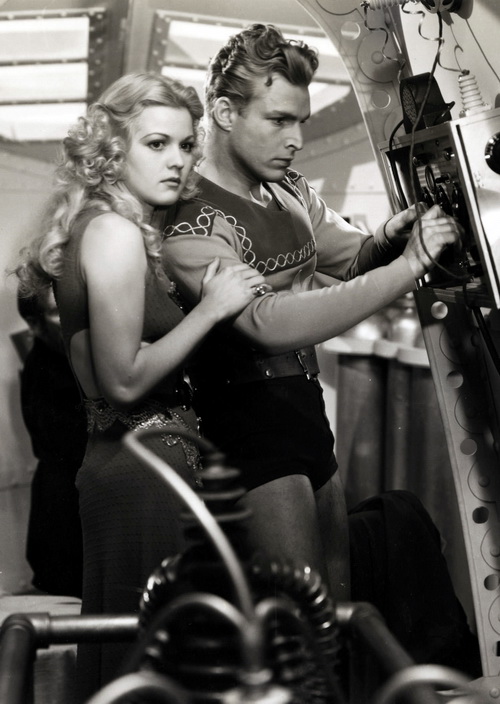
Although he was Tarzan only once, passing his loincloth to Johnny Weissmuller, he played a variety of jungle men in movies such as King of the JungleJungle Man, and King of the Congo. When he wasn’t swinging in the jungle, he was speeding through for the far reaches of space as both Buck Rogers and Flash Gordon, taming the West as Billy the Kid and a posseful of other cowboy heroes, or Americanizing the French Foreign Legion His three Flash Gordon serials were Saturday morning staples in the 30s and 40s. The serials were also compiled into full-length movies. They appeared extensively on American television in the 1950s and 60s, and eventually were edited for release on home video.  As his acting career wound down, he became a spokesman for his own line of swimming pools. He died in 1983.

Imagine Jacob Marley in Chains and a Loincloth

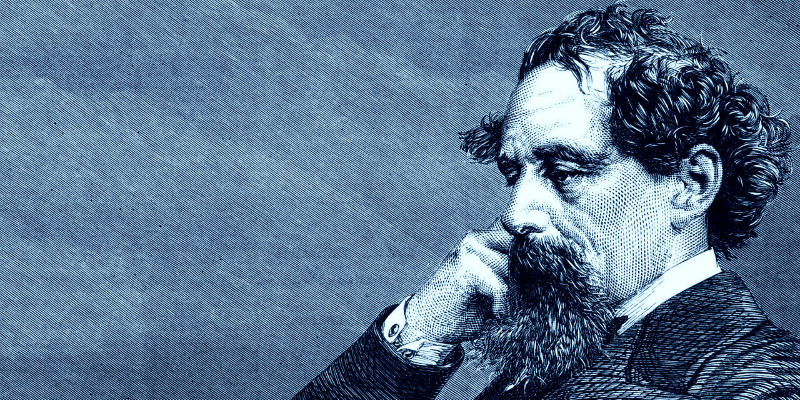
Little Charles Dickens knew the adversity he would later write so effectively about. Born February 7, 1812, he attended school in Portsmouth during his early years but was sent to work in a factory in 1824 at the age of 12, when his father was thrown into debtors’ prison. Dickens learned first-hand about the deplorable treatment of working children and the horrors of the institution of the debtors’ prison.

In his late teens, Dickens went to work as a reporter and soon began publishing humorous short stories. A collection of those stories was released in 1836 under the title Sketches by Boz (later titled The Posthumous Papers of the Pickwick Club). The stories about the quixotic innocent Samuel Pickwick and his fellow club members quickly became popular: 400 copies were printed of the first installment, but by the 15th episode the print run had reached 40,000. Publication of the stories in book form in 1837 established Dickens as the preeminent author of his time.

Oliver Twist followed in 1838 and Nicholas Nickleby in 1839. In 1841, Dickens visited the United States, where he was treated as a conquering hero. As a writer, he kept churning out major novels at almost a yearly pace each one seemingly more masterful than the last, among them: David Copperfield in 1850, Bleak House 1853, Hard Times 1854, A Tale of Two Cities 1859 and Great Expectations in 1861.

Dickens was the literary giant of his age, unparalleled in his realism, social criticism and humor, a master of characterization (think Fagin, the Artful Dodger, Pip, Uriah Heep, Oliver Twist, Tiny Tim and, of course, Ebenezer Scrooge). The 1843 novella that featured Scrooge, A Christmas Carol, is one of the most influential works ever written, still popular after 170 years and still inspiring adaptations in every artistic genre. Dickens even has his own adjective, Dickensian.

Dickens died in 1870 at the age of 58, leaving an enigmatic unfinished novel, The Mystery of Edwin Drood. He has been celebrated by statuary, in museums and even on currency — all against his dying wishes.


February 6, 1889: Me Elmo, You Jane

A man swings through the trees of Africa, wearing nothing but a loincloth and doesn’t get pinched.  Well maybe by a completely naked chimpanzee.  That beefy fellow in the loincloth can only be Tarzan of the Apes.  Edgar Rice Burroughs introduced audiences to his character Tarzan in a 1912 pulp magazine followed two years later by the novel Tarzan of the Apes. Tarzan became so popular that Burroughs followed up with sequels into the 1940s — a good two dozen.

Tarzan was a natural for the movies as well, and fans only had to wait until 1918 to leer at their skimpily attired hero, his skimpily attired mate, and the aforementioned naked chimpanzee. The first movie Tarzan was Elmo Lincoln, born on February 6, 1889.  As onlookers gathered around his crib listening to his cooing and admiring the little tyke in his little diaper, they little realized that they were looking at the future mighty man of the jungle, already in his loincloth and ready to swing. (Well, maybe not entirely ready: Elmo was afraid of heights and required a stand-in to do his swinging for him.  Chances are pretty good he was afraid of lions and tigers as well.)

Elmo may have been born to play Tarzan, but he got to the role by a circuitous route through a dozen other films, some notable (Birth of a Nation, Intolerance) but not for his appearance. Tarzan of the Apes took theaters by storm. It was the most faithful to its source of all the film adaptations: Lord and Lady Greystoke are bound for Africa, when their ship is taken over by mutineers. A sailor saves them from being murdered, but they are marooned on the tropical coast, where they die. Their infant son is adopted by Kala, an ape, who raises him as her own. Little Tarzan grows up never noticing that he is not as hairy as his siblings. Hairy or not, he becomes king of the apes. The sailor returns to Africa, discovers the ape man and reports this to his family in England. An expedition under the leadership of a Professor Porter sets out to find Tarzan. In the meantime, Kala has been killed by a native, and is avenged by Tarzan — now an adult and played by Elmo Lincoln. This naturally sets off a feud with the natives who kidnap Porter’s daughter Jane. Tarzan rescues Jane, nature steps in, and there go the loincloths.

Tarzan of the Apes covered only the first part of the novel. The remainder became The Romance of Tarzan, released that same year. Lincoln starred in that film and in a 1921 serial The Adventures of Tarzan. Elmo starred in nine other movies before leaving Hollywood at the end of the silent movie era. Tarzan the Ape Man was remade in 1932 starring Johnny Weissmuller, who went on to star in eleven other Tarzan films.

A Man in a Toga

No loincloth for Ramón Novarro, but he did manage to set the screen smoldering in a toga in Ben Hur. Born Jose Ramón Gil Samaniego in Mexico on February 6, 1899, he began his career in silent films and became a top box office draw during the 1920s and 1930s. Billed as the Latin Lover, he became the heir apparent to Rudolph Valentino. His career in movies, stage and television spanned five decades. He was murdered in 1968 by two young men who believed he had a stash of cash in his home.