
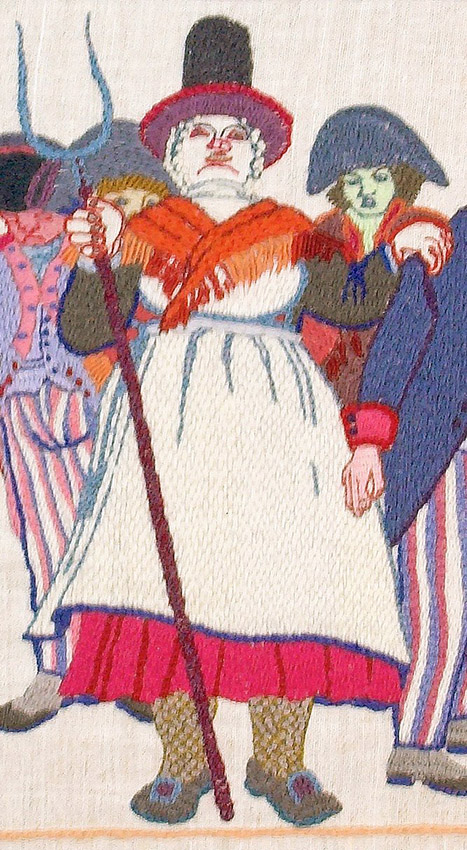
In February 1797, a French invasion force, La Légion Noire (“The Black Legion”), under the leadership of Colonel William Tate sailed into Fishguard Bay in Wales. The somewhat less than elite fighting force of 1400 men, formed partly by emptying French jails, landed on a beach near the small village of Llanwnda. Men, arms and gunpowder were unloaded, and the ships headed back to France. The last invasion of England had begun.
Monkey See . . .
 In what would prove to be an endless parade, the first performance by a trained monkey in the United States was said to have been in New York City on February 25. 1751. Folks paid a shilling to watch the little creature dance, cavort, walk a tightrope and generally make a human of himself. Through the years such acts have gotten steadily bigger and better — think Clyde Beatty’s trained lions, dancing elephants, King Kong.
Monkeys have always been a favorite of course. 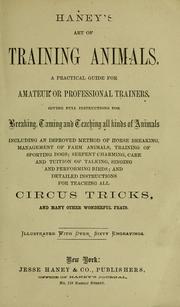 As Haney’s Art of Training Animals pointed out back in 1869, monkeys have an ingrained passion for mimicking human beings (monkey see, monkey do) and they cut a fine figure in fine clothes. “Dressed in male or female apparel, the monkey’s naturally comical appearance is greatly heightened. Thus, one might be dressed to represent a lady of fashion, while another personates her footman, who, dressed in gorgeous livery supports her train. This is elaborated into quite a little scene at some exhibitions. A little barouche, drawn by a team of dogs, is driven on the stage, a monkey driving while a monkey footman sits solemn and erect on his perch behind. A monkey lady and gentleman are seated inside, she with a fan and parasol, he with a stovepipe hat. . . . Each performer is taught what he is to do, the most intelligent monkey being generally assigned the footman’s character.”
Now that’s entertainment.
 Wretched Richard's Almanac