Famous real estate deals abound — the sale of Manhattan for beads, the Louisiana Purchase, Seward’s Folly. One of the more unusual is the April 18, 1968, sale of London Bridge for a mere $1 million (of course, as any schoolchild knows, the thing was falling down). American oil magnate Robert McCullough was the buyer and he bought it as a large conversation piece for his Arizona real estate development in an out-of-the-way spot that had previously only been an inspiration for Roadrunner cartoons. The bridge was disassembled in London, each piece numbered, then hauled to Lake Havasu City, Arizona, where it was reassembled.
McCullough had wanted to buy the Brooklyn Bridge for his project, but it had already been sold. Many times, actually. One George Parker had made his living selling the bridge to oil magnates and other naive visitors to New York, some of whom actually tried to erect toll booths.
The relocation of London Bridge inspired, in addition to a great deal of laughter, a forgettable 1985 made-for-television movie Bridge Across Time (aka Arizona Ripper or Terror at London Bridge) in which several murders are committed in Lake Havasu by the spirit of Jack the Ripper, whose soul is transported to the United States in one of the stones of the bridge (sorry you missed it, aren’t you).
Although the Sphinx may have been more architecturally appropriate to the location, McCullough wasn’t interested. “Something about the nose,” he said.
Legumes in Love
British poet and physician Erasmus Darwin died on April 18, 1802. As a physician graduated from Cambridge, he didn’t really distinguish himself. When he is remembered at all, it is for his poetry, and one particular poem, The Loves of the Plants, part of a larger work called The Botanic Garden (the other part being The Economy of Vegetation), in which the physiology and classification of the vegetable world is presented in a rather lofty and lyrical manner. Although the subject was mundane and the technical accuracy questionable, the poetic frenzy reached amazing heights. Had Erasmus Darwin’s grandson Charles presented his discoveries in a more poetic fashion, perhaps they would have been more warmly received.
Back at the dawn of the 17th century, the holy grail among explorers was the Northwest Passage, that elusive sea route that Europeans had been seeking ever since they discovered that North America stood right in the middle of their way to China. (For some reason, they longed to go west to China even though it was a lot closer going east.)
On April 17, 1610, intrepid British explorer Henry Hudson. already famous for having discovered and explored a river that just happened to share his last name, set sail on his latest attempt to find the passage that would at last allow Europeans to take (as the popular song tells us) a slow boat to China.
It was his fourth expedition, financed by adventurers from England. Sailing across the Atlantic, slipping between Greenland and Labrador, he entered the Hudson Strait (another remarkable coincidence) and soon reached (you’re not going to believe this) Hudson Bay. Unfortunately after all this seeming good luck, the expedition took a nasty turn. After three months dawdling around the bay, Hudson was surprised by the onset of winter. Why winter north of Labrador in November would be a surprise is anyone’s guess. Nevertheless, Hudson and his crew were forced to set up a winter camp. The next few months were not pleasant, and many of the crew members were not amused. They grumbled and held their tongues throughout the winter until June. But once they were sailing again, they up and mutinied, setting Hudson, his son and seven friends adrift. Although Hudson was never seen again, England laid claim to everything that shared his name — river, strait, bay and even a funny looking vehicle that seemed to have no useful purpose.
Back at the dawn of the 17th century, the holy grail among explorers was the Northwest Passage, that elusive sea route that Europeans had been seeking ever since they discovered that North America stood right in the middle of their way to China. (For some reason, they longed to go west to China even though it was a lot closer going east.)
On April 17, 1610, intrepid British explorer Henry Hudson. already famous for having discovered and explored a river that just happened to share his last name, set sail on his latest attempt to find the passage that would at last allow Europeans to take (as the popular song tells us) a slow boat to China.
It was his fourth expedition, financed by adventurers from England. Sailing across the Atlantic, slipping between Greenland and Labrador, he entered the Hudson Strait (another remarkable coincidence) and soon reached (you’re not going to believe this) Hudson Bay. Unfortunately after all this seeming good luck, the expedition took a nasty turn. After three months dawdling around the bay, Hudson was surprised by the onset of winter. Why winter north of Labrador in November would be a surprise is anyone’s guess. Nevertheless, Hudson and his crew were forced to set up a winter camp. The next few months were not pleasant, and many of the crew members were not amused. They grumbled and held their tongues throughout the winter until June. But once they were sailing again, they up and mutinied, setting Hudson, his son and seven friends adrift. Although Hudson was never seen again, England laid claim to everything that shared his name — river, strait, bay and even a funny looking vehicle that seemed to have no useful purpose.
Madame (Marie) Tussaud is arguably the world’s most famous wax sculptor. Born in France in 1761, she began her artistic career during the French Revolution, searching through corpses to find the heads of noted guillotine victims from which she made death masks. She herself was imprisoned for three months awaiting execution, but an influential friend intervened and she was released. She and her waxwork friends toured throughout Europe for 33 years before settling into a permanent exhibition in 1835 on Baker Street in London. There she gained prosperity and fame, managing her wax museum until her death on April 16, 1850. Throughout Madame Tussaud’s long existence, its most popular feature has been the Chamber of Horrors (as pictured here).
Where’s the Remote?
Inventor Walter Pichler is the genius behind the amazing TV helmet of 1967. This device allows a user to leave the outside world and slip into his or her own little world of information and entertainment. The user simply inserts his or her head into a capsule that resembles a small submarine and hopes that he or she doesn’t bump into something while enjoying the “virtual world” of Gilligan’s Island.
Pearl Among . . .
“How-w-w-Dee-e-e-e! I’m jes’ so proud to be here!” “Here” might have been the National Comedy Hall of Fame into which, on April 16, 1994, Minnie Pearl became the first woman inducted. But more often it was on the stage of the Grand Ole Opry in Nashville, Tennessee, where Minnie held sway as the resident Southern hillbilly for over 50 years.
Her comedy was a good-natured satire of rural Southern culture. She appeared in her trademark hat, purchased at the Surasky Bros. Department Store in Aiken, South Carolina, for $1.98 before her first stage performance in 1939, along with styleless “down home” dresses. Her self-deprecating humor was usually about her unsuccessful attempts to get “a feller” and her ne’er-do-well relatives. She also sang novelty songs and danced with Grandpa Jones. From the opening How-w-w Dee-e-e-e to her closing “I love you so much it hurts!”, she had the Opry audience in the palm of her hand.
The Little Tramp
Sir Charles Spencer Chaplin, known to millions of film buffs as “Charlie,” was born April 16, 1889. His working life in entertainment began as a child performer in British music halls and spanned 75 years until his death in 1977 at the age of 88. In the United States, he became one of the most important creative personalities of the silent-film era — acting in, directing, scripting, producing and composing the music for his own films.
It’s okay to laugh out loud today. You don’t even need a reason because today is International Moment of Laughter Day and that ought to be reason enough. The day is the brainchild of Izzy Gesell, a self-described humorologist.
“Laughter comes right after breathing as just about the healthiest thing you can do,” he says. “It relieves stress, instills optimism, raises self-confidence, defuses resistance to change, and enhances all your relationships.”
To help you celebrate the day, here is a list of ways you can laugh. You can titter, giggle, chuckle or chortle. You can cackle or crow. You can snicker, snigger or snort. Ha-ha, hee-haw, ho-ho, tee-hee, yuk-yuk. You can guffaw, belly laugh or horselaugh. You can roar or shake with laughter. Split your sides, bust a gut, roll in the aisles and perhaps die laughing. And of course there’s the ever-popular laughing until you pee your pants.
THE FUTURE WILL BE BETTER TOMORROW
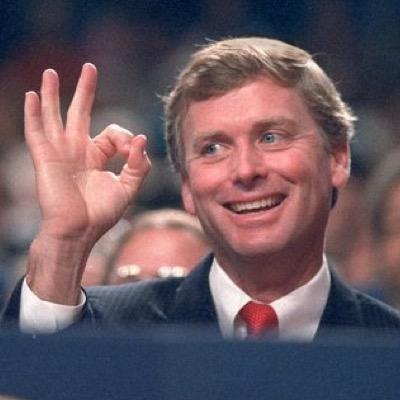
Fireworks, rock music and, yes, laughter punctuated the April 14, 1999, announcement by former Vice President Dan Quayle that he was tossing his hat into the Republican ring for the 2000 presidential race. He offered himself as the antidote for “the dishonest decade of Bill Clinton and Al Gore.” He promised to restore integrity, responsibility and more malaprops to the White House. He exited the race a few months later, after finishing eighth in the first Republican straw poll, cheating the world out of future Quayle gems such as these:
If we don’t succeed we run the risk of failure.
Republicans understand the importance of bondage between a mother and child.
A low voter turnout is an indication of fewer people going to the polls.
It isn’t pollution that’s harming the environment. It’s the impurities in our air and water that are doing it.
When I have been asked during these last weeks who caused the riots and the killing in L.A., my answer has been direct and simple: Who is to blame for the riots? The rioters are to blame. Who is to blame for the killings? The killers are to blame.
Bank failures are caused by depositors who don’t deposit enough money to cover losses due to mismanagement.
I deserve respect for the things I did not do.
I love California, I practically grew up in Phoenix.
The global importance of the Middle East is that it keeps the Far East and the Near East from encroaching on each other.
I believe we are on an irreversible trend toward more freedom and democracy – but that could change.
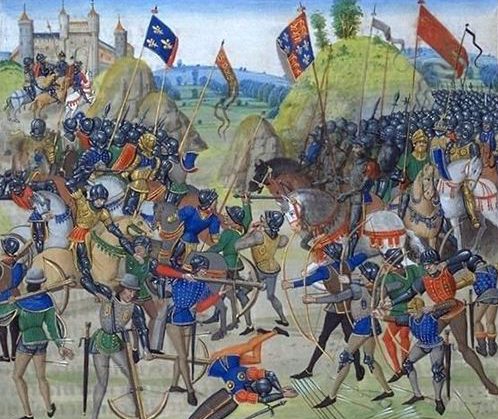
It was the 14th century and once again England was out to conquer France. The hostilities had been going on for nearly 20 years, when England’s King Edward III sailed across the Channel with a huge army — a cast of thousands. The dead of winter set in, and the inconsiderate French refused to face the English invaders in direct combat. Instead they huddled in their warm and cozy castles, drinking cafe au lait while the English plundered the countryside and got frostbite. Come April of 1360, having lasted through the winter, Edward and his men fought and torched their way through the Paris suburbs, and readied themselves to have at Chartres.
Then, on April 13, a sudden violent storm came up. Lightning killed several soldiers, the heavens opened up, and hailstones the size of pommes de terre began hammering the hapless army, killing a thousand men. Naturally, they took this as a sign that God was annoyed. Edward declared the invasion “my bad” and negotiated a peace with the French. The English renounced all claims to the throne of France, and the French gave them croissants.
But wouldn’t you know it, a few years later, the King of France declared war on England ( this was, after all, the Hundred Years’ War, scheduled to last another 75 years or so.)
Historians assure us that this was not the origin of the phrase “Hail to the Chief.”
Ifs, Ands or Butts
Alfred Mosher Butts was born in Poughkeepsie, New York, on April 13, 1899. Who, you ask, is Alfred Mosher Butts? He became an architect when he grew up, though not a famous one. He dabbled in art to no great success. His colorful last name is worth a pathetic seven points in a certain word game that can be found in one-third of American homes. 150 million sets have been sold worldwide in 29 languages. Yes, the game is the ubiquitous Scrabble. And Al Butts is the guy who invented it.
For those who may be new to the planet, Scrabble is a game where players place tiles on a board to spell words and earn points determined by the numerical value of individual letters. Butts determined the values of the individual letters by studying how often each letter appeared on the front page of The New York Times (fake letters in fake words in fake news, some might say).
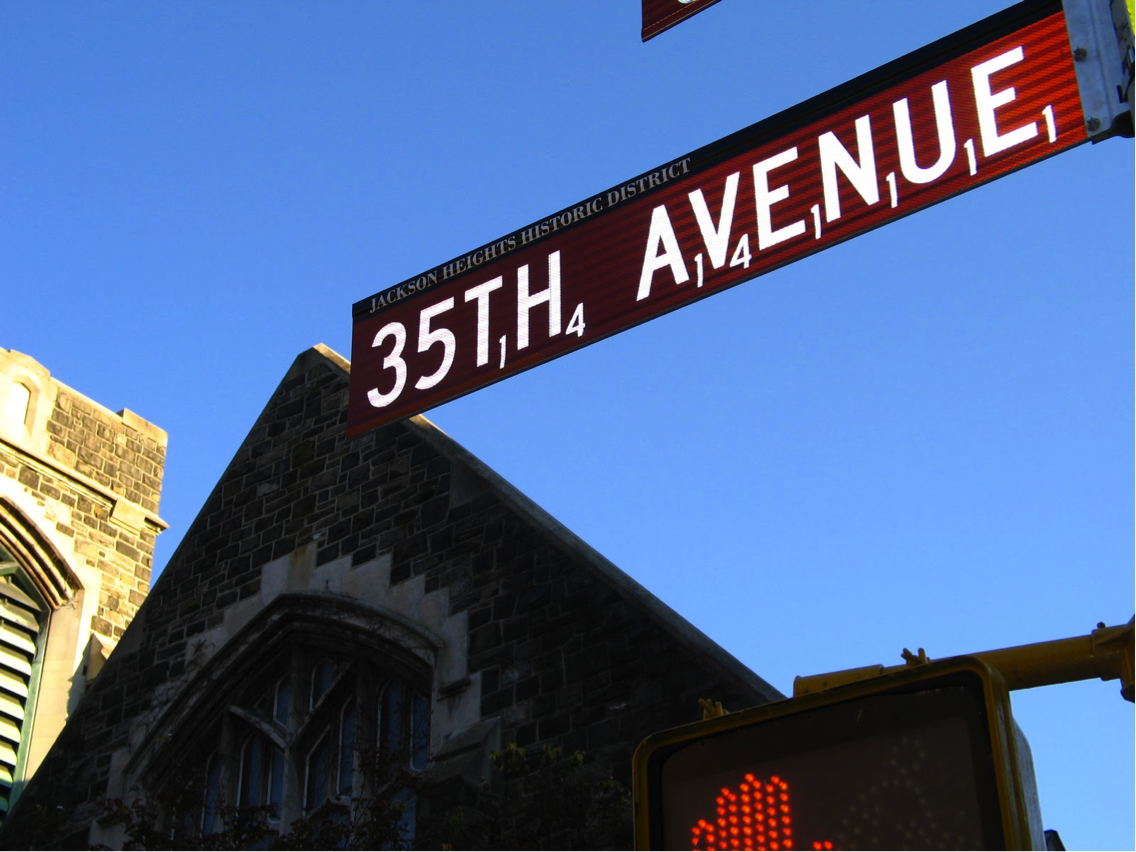
A street sign in Jackson Heights (where Butts lived when he invented the game) memorializes the creation of the game.
Call it destiny. Two men stranded in Kansas City when a storm closed the airport met in a hotel lobby, engaged in conversation, and – go figure – discovered they each had profound worries about the future of the barbershop quartet. This was not just empty lamenting on the part of Owen C. Cash and Rupert I. Hall; these founding fathers acted, and the Society for the Preservation and Encouragement of Barber Shop Quartet Singing in America (SPEBSQSA, as it’s more familiarly known) was born. They wrote a letter that became a mission statement:
“In this age of dictators and government control of everything, about the only privilege guaranteed by the Bill of Rights not in some way supervised or directed is the art of barbershop quartet singing. Without a doubt, we still have the right of peaceable assembly which, we are advised by competent legal authority, includes quartet singing.
“The writers have, for a long time, thought that something should be done to encourage the enjoyment of this last remaining vestige of human liberty. Therefore, we have decided to hold a songfest on the roof garden of the Tulsa Club on Monday, April 11, 1938, at 6:30 pm.”
Twenty-six men attended that first rooftop meeting. Attendance at subsequent meetings multiplied rapidly, and at the third meeting, 150 harmonizers stopped traffic on the street below. A reporter for the Tulsa Daily World put the story on the national news wires and the rest is history. The Society for the Preservation and Encouragement of Barber Shop Quartet Singing in America was born. That acronym SPEBSQSA was the founders’ way of demonstrating that one could be a barbershop quartet enthusiast and still have a sense of humor; it was a parody of the New Deal’s “alphabet soup” of acronyms, and the society has said “attempts to pronounce it are discouraged.”
Ninety years passed (as years will) and the SPEBSQSA evolved (or devolved, perhaps) into the Barbershop Harmony Society. It boasts more than 20,000 enthusiastic members, although unfortunately they are not always singing off the same sheet. Not quite the Hatfields and McCoys, but the Kibbers and the Libbers as they’re known might value harmony but philosophically they practice little of it. We’ll explore this rift, but first we must digress.
The musical style of barbershop dates back to 17th century England. Barbers of course all sing, and the barbers of merry olde were no exception. They generally kept a lute or a flute among the razors to serenade customers waiting for a shave and a haircut, two pence. Patrons, having just come from a nearby alehouse, would join in and the resulting cacophany became known as barber’s music. Centuries passed (as centuries will) and barber’s music grew more refined and subject to rules.
Somewhere it is written that barbershop quartets must have four singers. But, and here’s where it gets a little weird, according to Spin.com, which knows such things: “four striped-shirt, straw-hatted, bow-tied bodies — but five voices. The second tenor sets the stage with a lead melody line, which the first tenor lays a high harmony on. The baritone singer handles mid-range, while the bass, the deepest voice of the four, lays a solid foundation. But when the overtones of these four pitch-perfect voices unite and merge, an invisible fifth voice emerges from the ether, an everywhere-but-nowhere aural apparition not unlike the effect of Buddhist monks chanting in a massive ancient temple. This unified fifth-voice phenomenon is known as harmonic coincidence” not to be confused with harmonic concurrence or harmonic convergence.*
As the genre matured, attempts were made to modernize. Younger members joined the old guard, bringing with them their doo-wop and pop and what-have you, much to the chagrin of the purists — the Kibbers (Keep It Barbershop) as opposed to the Libbers, liberal approach to barbershop.
*Peace Will Guide the Planet
Two days in August of 1987 that marked a grand celestial alignment of the Sun, the Moon, Mars, Mercury, Venus, Jupiter, Saturn, Neptune, and Uranus. Convergence enthusiasts believed that this conjunction would usher in a new age of universal peace — with good karma, good manners and good posture, sort of like the Age of Aquarius** as celebrated in song by a group of five voices, all of which were actual people, therefore not a quartet, barbershop or otherwise.
** Not to be confused with the Age of Aquariums, the period during the 1960s and ’70s, during which it was de rigueur to have a tank of tropical beasties such as neon tetras, seahorses and angel fish.***
*** Not to be confused with Angel Eyes, a song popularized by Frank Sinatra with the haunting conclusion “Excuse me while I disapp . . .”
The poobahs at Hollywood’s major film studios watched with amazement and envy as the independently produced 3-D movie Bwana Devil wowed audiences in late 1952. Columbia Pictures quickly threw together a black- and-white thriller that for an hour hurled practically every prop on the set at the beleaguered audience. It was just as quickly forgotten. Then on April 10, 1953, Warner Brothers released its entry — in color and stereophonic sound — House of Wax, a horror film starring Vincent Price as a sculptor who kills folks, covers them with wax, dresses them up as famous historical figures, and displays them in his wax museum. Audiences loved it, making it one of the biggest hits of the year. Even critics gave it a go. And although it took a while, the Library of Congress selected it in 2014 for inclusion in the National Film Registry, deeming it “culturally, historically, or aesthetically significant.”
The film revived Vincent Price’s career, positioning him as the go-to guy when you needed a mad scientist or fiendish psychopath. Although House of Wax had a couple of classic 3-D effects (the pitchman with a paddleball and a character who seemingly stands up in the audience and runs into the screen), it was not loaded down with them. This might have been because the director was blind in one eye and couldn’t understand what all the fuss was about.
And What Do We Suppose Jumbo the Elephant Really Was
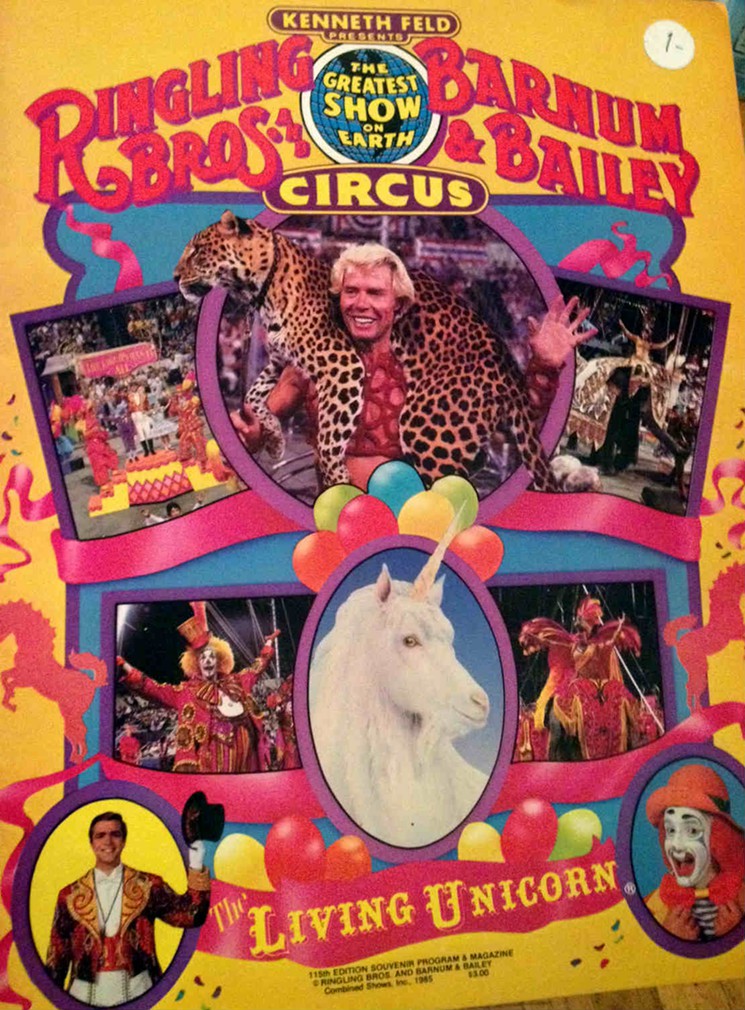
On this day in 1985, Lancelot the Unicorn who had been touring with the Ringling Brothers and Barnum and Bailey Circus — famous for outlandish attractions — was exposed as a fraud. Audiences were appalled to learn that Lancelot wasn’t a real unicorn at all, just a goat with a horn surgically attached to its forehead.
IF IT HAD ONLY BEEN A NACHO
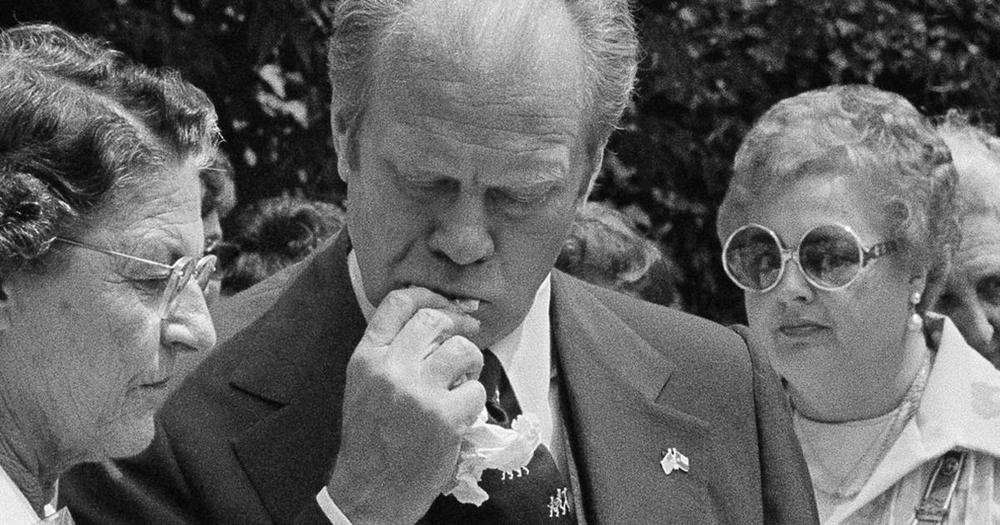
It would seem that in modern politics every president has been forced to deal with a scandal, big or small –vicuna coat, Watergate, Iran Contra, Stormy Daniels. Gerald Ford’s scandal would probably be trivial in comparison to most. But it may have cost him re-election. It was April 10, 1976, in San Antonio, Texas, at the Alamo, where a tiny faux pas morphed into the Great Tamale Incident as the President attempted to eat a tamale without removing the corn husk, playing into his reputation as a bit of a bumbler.
Sylvan Goldman was an idea man. One of his more persistent ideas led to his choice of careers. Actually, it was more than an idea — a concept, an eternal truth perhaps. “The wonderful thing about food is that everyone uses it — and uses it only once.”
Born in the Oklahoma Territory, he and his brother went into wholesale produce only to be wiped out by plunging oil prices. After studying all the latest methods for retailing groceries, they bounced back with a chain of self-service stores featuring woven baskets for carrying groceries. The stores were a big success, and they were bought out by the Safeway chain. Once again hard luck hit; their Safeway stock tanked during the Depression. And once again they bounced back; by the mid-30s they were half owners of the Piggly Wiggly chain.
Goldman continued to dream about customers moving more and more groceries. And one night in 1936 he had a eureka moment — inspired by a wooden folding chair. Put wheels on the legs and a big basket on the seat and you have a shopping cart.
Goldman and a mechanic friend began tinkering. They devised a metal cart with not one but two wire baskets. For efficient storage, the carts could be folded and the baskets nested. Goldman called his invention a folding basket carrier, receiving a patent on April 9, 1940.
When the carriers were introduced to the public, Goldman encountered one tiny problem. Customers didn’t want to use them. Men thought they would look like sissies pushing a cart. Women felt like they were pushing a baby carriage. And older shoppers thought it made them look helpless. Goldman was always ready with another idea. He hired attractive models, both men and women, to push the carts around, as well as charming greeters urging customers to take one for a spin.
By the 1940s, the carts had become so much a part of the American shopping experience that the Saturday Evening Post devoted its cover to them. And they got bigger and bigger until they got tiny as little icons on websites everywhere.
Goldman’s Folding Carrier Basket Company is still in business today. Goldman isn’t. He died in 1984.
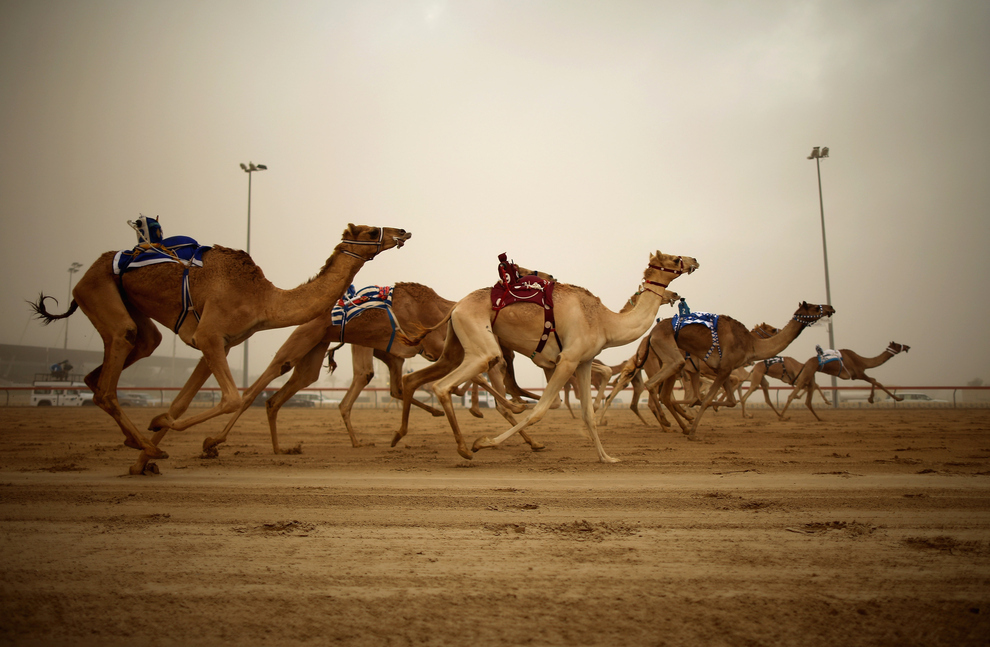
The first camel race in the United States was held in Sacramento, California, on April 7, 1864. The dromedaries belonged to Samuel McLeneghan who had paid $1,495 for 35 of them at an auction in Benicia, California. The camels had a curious history, one that began with an American military expedition to northern African nations along the coast of the Mediterranean Sea. The idea of the expedition and the importing of camels belonged to Secretary of War Jefferson Davis (this is of course the Jefferson Davis who later led the Confederacy, which had no camels that we know of). Davis convinced Congress to go along with this scheme and his vision of a Camel Corps that would carry military supplies across the country from east to west, it being reasoned that camels could carry heavier loads than horses on less food and water (sort of the same idea behind today’s guest worker programs for foreigners).
Unfortunately, the Camel Corps looked better on paper than in reality. The camels did not get along with their fellow animals or people: they stampeded horses and mules, attacked and bit pedestrians and chewed laundry off clotheslines. Camel caravans were only allowed to pass through some towns at night. With the Civil War getting underway (and Jefferson Davis going to the other side), interest in the project flagged and the Camel Corps disbanded. Of the camels that didn’t go to the races with McLeneghan, some joined the circus; some were employed by private companies. Eventually, many were abandoned in the desert. And for years afterward, prospectors and drifters might come rushing into a bar, raving about the strange apparition they had seen in the desert.

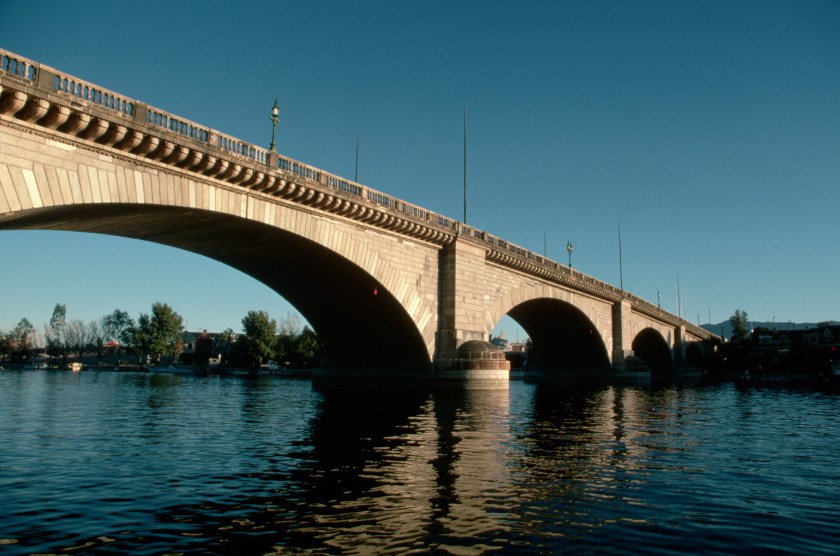
 magnate Robert McCullough was the buyer and he bought it as a large conversation piece for his Arizona real estate development in an out-of-the-way spot that had previously only been an inspiration for Roadrunner cartoons. The bridge was disassembled in London, each piece numbered, then hauled to Lake Havasu City, Arizona, where it was reassembled.
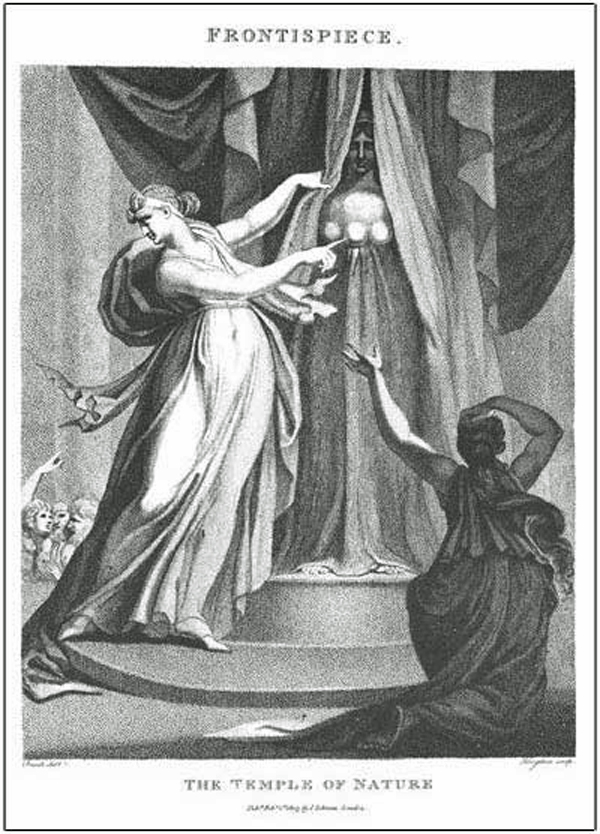 When he is
  remembered at all, it is for his poetry, and one particular poem, The Loves of the Plants, part of a larger work called The Botanic Garden (the other part being The Economy of Vegetation), in which the physiology and classification of the vegetable world is presented in a rather lofty and
 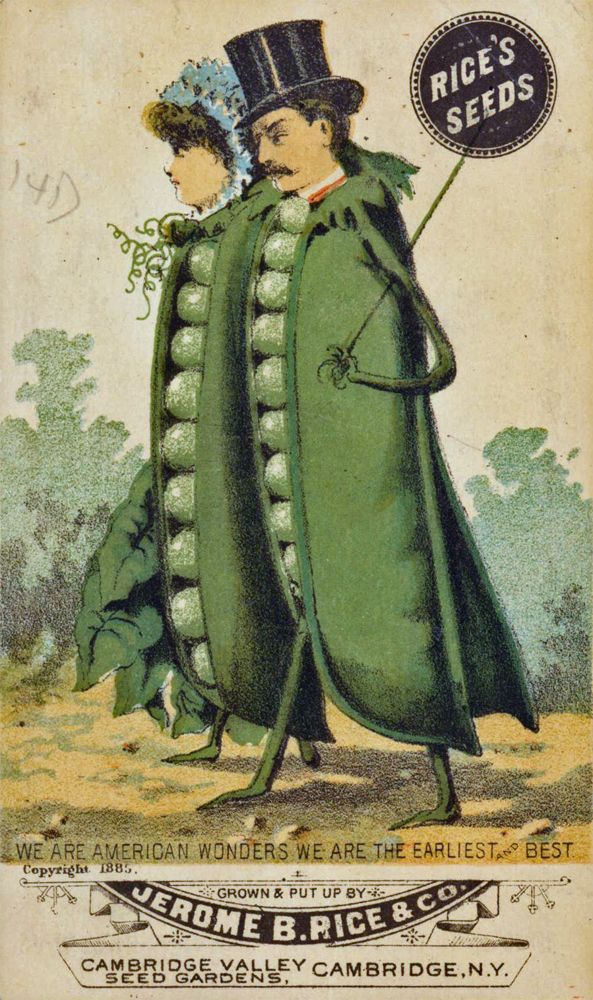 lyrical manner. Although the subject was mundane and the technical accuracy questionable, the poetic frenzy reached amazing heights. Had Erasmus Darwin’s grandson Charles presented his discoveries in a more poetic fashion, perhaps they would have been more warmly received.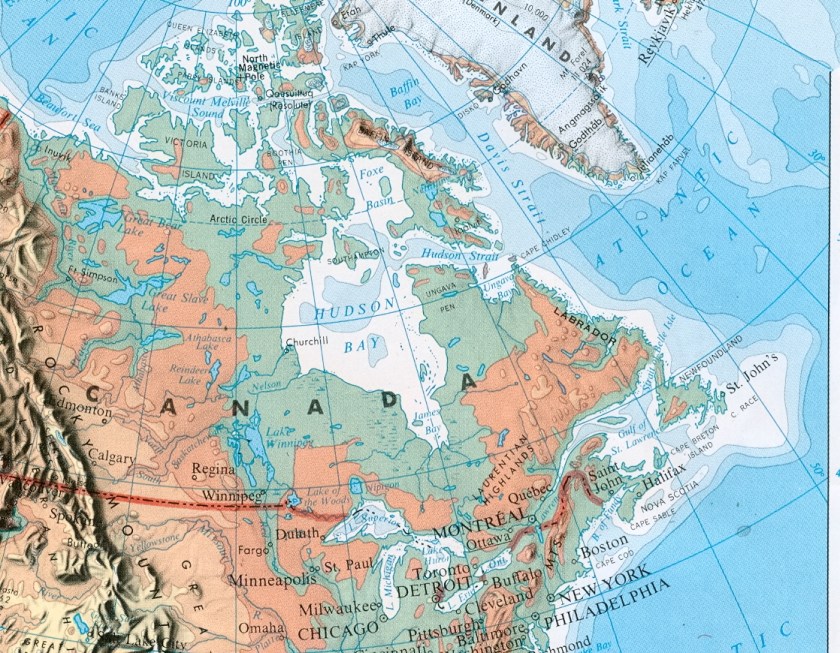







 Wretched Richard's Almanac