

Back in the 16th century, the natives of Arequipa in the Andean mountains of Peru led a simple, uncluttered existence, pounding stuff on rocks, doing folk dances and sacrificing bits of clothing, animals and virgins to the neighborhood volcano, Huaynaputina. The sacrifices kept Supay, the god of death, happy. And it’s always best to keep the god of death happy. But then along came the buttinsky Spanish to colonize South America, and right away they outlawed the practice of sacrifice. Well, we can be certain Supay was not amused. In fact, Father Alonso Ruiz of Arequipa in 1599 predicted an imminent “hit from heaven.”
Sure enough, Huaynaputina began to noisily pass gas. The local natives scrambled to appease the volcano, preparing virgins, pets, and flowers for sacrifice. Huaynaputina just kept chugging and rumbling and carrying on as though it were about to blow its top, and on February 19, 1600, it did. With a huge fiery explosion, it spewed volcanic ash into the Peruvian sky. Rivers of lava flowed down the mountain. Supay was throwing one mean tantrum. Within 24 hours, Arequipa was covered with a foot of ash, and most everyone around was dead.
Not only did Huaynaputina do a number on Peru, it also affected a good part of the world. In the northern hemisphere, 1601 was the coldest year in six centuries. There was a famine in Russia. In China, the peach trees didn’t bloom. In France, the wine harvest was late.
All for the want of a virgin or two.
These Would Make Great Little Sacrifices
 Born back in 1896 with the slogan “The More You Eat The More You Want,” the molasses-flavored, caramel-coated popcorn-peanut combo called Cracker Jack is widely considered to be the first junk food. Oddly enough, this treat that is synonymous with “that old ball game” limped along without prizes inside the box for 16 years. Prizes first appeared on February 19, 1912. These “surprizes” included such valuable items as rings, little plastic geegaws, stickers, trading cards, whistles and tattoos. They spawned the catchphrase “came in a Cracker Jack box” used to disparage an item not deemed of great value. (Not valuable? An early metal horse and wagon from a Cracker Jack box is now worth $300.)
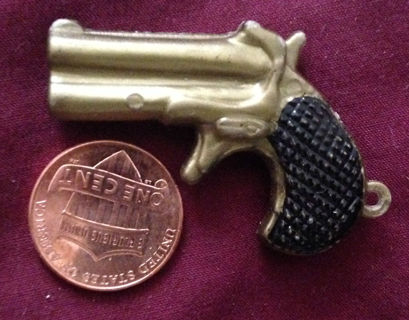 When Frito-Lay gained control of Cracker Jack, trinkets went downhill. Geegaws, trading cards and whistles gave way to paper toys, and in 2016 by digital codes that would “allow families to enjoy their favorite baseball moments through a new one-of-a-kind mobile experience, leveraging digital technology to bring the iconic prize inside to life.” Ho-hum.
53 Cents and a Cracker Jack Prize
When Parcel Post was initiated in 1913, it was especially a boon to folks living in rural areas of the United States. The Pierstorff family lived in one of those rural areas — Grangeville, Idaho. They had been planning to send their daughter, five-year-old Charlotte May to visit her grandmother in Lewiston, Idaho, a 73-mile trip, but found the train fare prohibitive. Fortune smiled on the Pierstorffs. Charlotte May was a little slip of a thing, weighing just 48 pounds; the limit for Parcel Post was 50 pounds.
 Yes kids, the Pierstorffs mailed Charlotte May to her grandmother. They didn’t put her in a box or anything like that; they simply attached the 53 cents postage to her coat and dropped her off at the post office on February 19, 1914. She spent the entire trip in the train’s mail compartment. In Lewiston, the mail clerk delivered her safe and sound to her grandmother’s home. How’s that for service, you Postal Service detractors?
Charlotte May, who lived to be 78, never traveled by mail again. Soon after her trip, postal regulations were changed to prohibit sending a person or persons through the mail.
 Wretched Richard's Almanac