

Israel Beilin was born on this day in 1888 in a small village in Belarus. His father, a cantor in a synagogue, with the intimidating name of Moses, uprooted his family in the face of the anti-Jewish pogroms of the late 19th century, emigrating to the United States, where they settled into a cold-water basement flat with no windows in New York City. At the age of fourteen, Izzy, as he was called, realized that he contributed less to the family than his siblings and decided to leave home. With few survival skills and little education, he found no real employment. His only ability was acquired from his father’s vocation: singing. He joined with a few other youngsters, singing in Bowery saloons popular ballads for whatever customers would give them. Beilin began to recognize the kind of songs that appealed to audiences. In his free time he taught himself to play the piano, picking out tunes when the bar had closed for the night.
His first attempt at songwriting was a song called “Marie From Sunny Italy,” written in collaboration with the bar’s pianist. The sheet music to this song is important primarily because of a printer’s error. The name printed on the cover was misspelled as: ‘I. Berlin.’
His meteoric rise as a songwriter came soon after with a song that would  become world-famous. “Alexander’s Ragtime Band” firmly established Irving Berlin as an instant celebrity and one of America’s foremost musical wonders. He went on to write an estimated 1,500 songs, many becoming major hits, during his 60-year career, including the scores for 19 Broadway shows and 18 Hollywood films. His songs were nominated eight times for Academy Awards. A list of noted songs might begin with “A Couple of Swells” and end with “You’re Just in Love,” with a whole lot in between. Here’s a more complete list.
George Gershwin called him “the greatest songwriter that has ever lived” and composer Jerome Kern concluded that “Irving Berlin has no place in American music—he is American music.”
Meanwhile in Romania
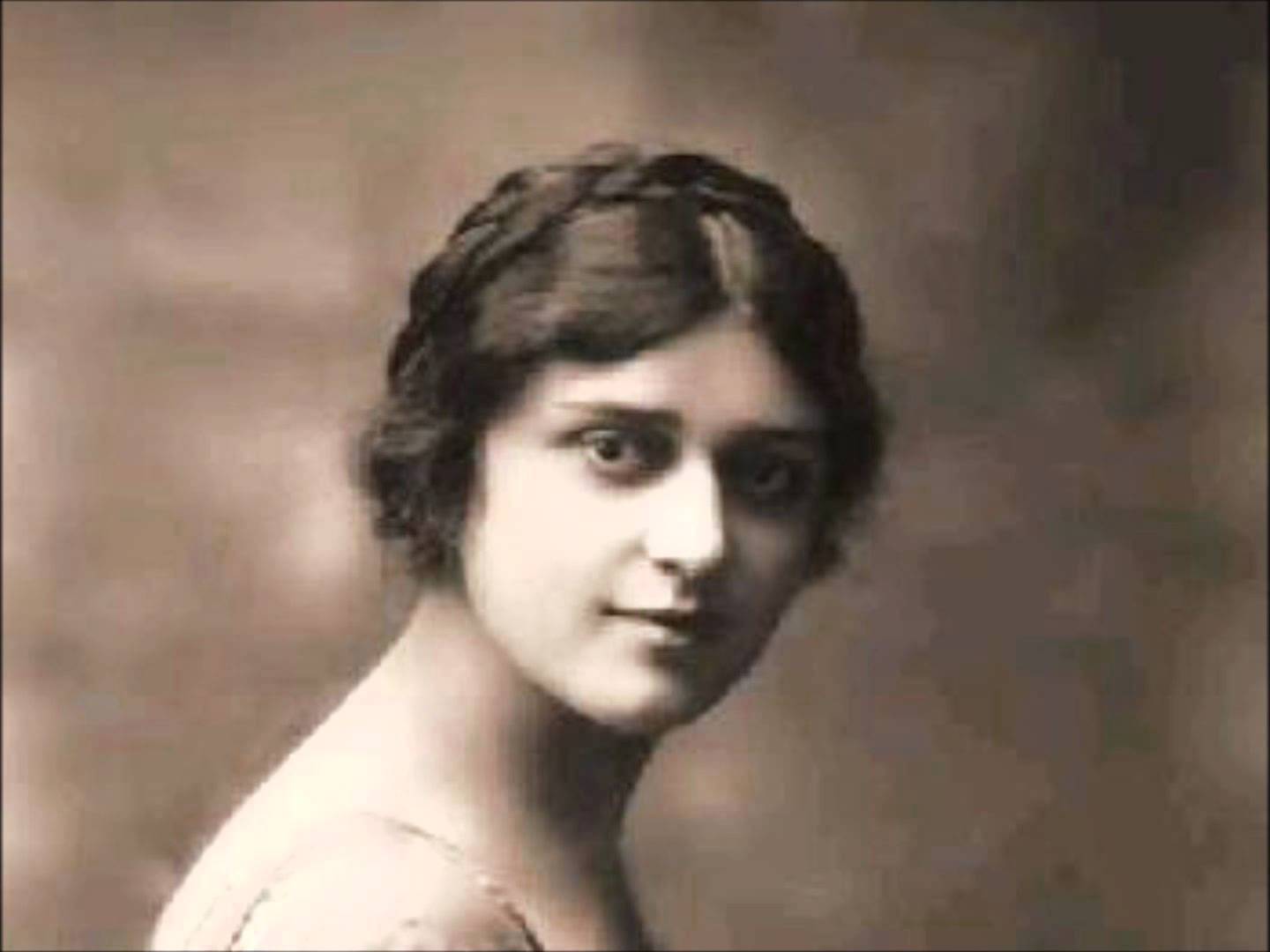 On this same date a few years earlier, in 1884, another musical talent was born in Romania. Like Irving Berlin she emigrated to America at a young age. Alma Gluck did not have his lasting fame, but she became a successful performer at the Metropolitan Opera as well as in concerts throughout the country. She was an early recording pioneer, and her recording of “Carry Me Back to Old Virginny” sold over a million copies, earning her a gold record, only the seventh to be awarded.


 Wretched Richard's Almanac