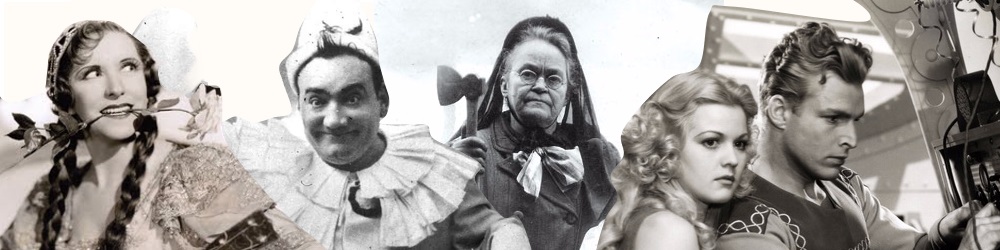

Tenor Enrico Caruso recorded ten arias for the Gramophone & Typewriter Company in Milan, Italy. He was paid 100 pounds sterling, and was not required to do any typing. These acoustic recordings, recorded in a hotel room on March 18, 1902, created a win-win situation for both Caruso and the Gramophone Company. The gramophone, and its flat circular discs, quickly became victorious in the recording competition, besting both Thomas Edison’s phonograph cylinders and eight-track tapes. The gramophone recordings became best-sellers, helping to spread the 29-year-old Caruso’s fame.
Caruso was signed by London’s Royal Opera House for a season of appearances in eight different operas ranging from Verdi’s Aida to Don Giovanni by Mozart. His successful debut at Covent Garden occurred just two months after his recording session. The following year, Caruso traveled to New York City to take up a contract with the Metropolitan Opera.
By 1920, Caruso had made nearly 300 recordings. His 1904 recording of “Vesti la giubba” from Leoncavallo’s opera Pagliacci was the first sound recording to sell a million copies. All of these recordings are available today on CD, as digital downloads, and in garages throughout the world on eight-track tapes.
Ivan Was Probably a Baritone
Ivan IV Vasileyevich, known to his friends as Ivan the Terrible, died in 1584 while engaged in a particularly wicked game of chess. He rose to 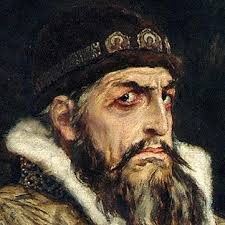 prominence, and some might say infamy, as the Grand Prince of Moscow a position he held from 1533 to 1547, when he declared himself the first ever Tsar of All the Russias, a title he held until his death. He was succeeded by his son, Feodor the Not So Terrible.
Historians disagree on the exact nature of his enigmatic personality. He was described as intelligent and devout, yet paranoid and given to rages, episodic outbreaks of mental instability, and late-night tweet storms.
He was also know as Ivan the Fearsome but is not to be confused with Ivan the Gorilla.
Wretched Richard’s Little Literary Lessons – No. 3
plot
plät/ noun
~ the sequence of events of a play, novel, movie, or similar work that develops a story.
Use it in a sentence perhaps?
“What do you do when you’re not floating around the West Indies?” asked Albert.
“I write mostly.”
“A writer, says he,” Basil had returned from the bar and sat across the table from Terry. “I was a writer meself once upon. Never made any money at it, though. I was always a poor writer what never had a plot to piss on.”
Here’s where the plot thickens.
 Wretched Richard's Almanac