
JULY 2, 1979: A TALE OF TWO DOLLARS

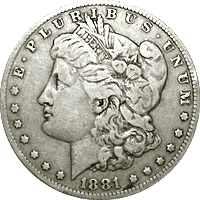
The dollar coin has a long and checkered history in the United States. The first ones were minted back in 1794, just 1,758 of them. Produced rather sporadically through the years, they came in various flavors: Flowing Hair, Draped Bust, Seated Liberty, Morgan, Peace and lastly Eisenhower. Because of the size and weight of the dollar coins, they circulated minimally throughout their history, except in the West (where they were commonly used in casinos and shootouts). As a result, the coins were generally shipped to Washington and stored in the vaults of the US Treasury; where they sometimes numbered into the hundreds of millions.

In an attempt to get dollar coins into wide circulation, the government introduced a slimmed down, feminine coin on July 2, 1979; 888 million were minted. Coin-carrying Americans took to them like a cat takes to water. Featuring a portrait of Susan B. Anthony on one side and an eagle on the other, they were an instant failure. Because of their similar size and color, it was found to be easy to mistake the coin for a quarter. The originally-planned hendecagon-shaped edge, which would have distinguished it from the quarter, was changed to a picture of a hendecagon on a round coin. While a Canadian dollar coin released into general circulation a few years later gained wide acceptance and was referred to lovingly as the “loonie,” the Anthony dollar was disparagingly referred to as the “Carter quarter,” “Suzie Bucks” or the “Anthony quarter.”
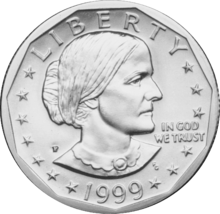
Even with the catchy slogan “Carry three for Susan B,” it went nowhere, and was not minted again until 1999 when the Treasury’s almost endless supply ran out a year ahead of the introduction of the Sacagawea dollar, another doomed dollar coin.

And Americans continue to clutch their wrinkled, grubby dollar bills that wear out every ten minutes.
JUNE 30, 1987: BROTHER, CAN YOU SPARE A LOONIE?

When the Canadian government announced in 1986 that a new dollar coin would be launched the following year and the dollar bill phased out, they had planned to continue using the voyageur theme of its predecessor, and the master dies for the coin were sent from Ottawa to the Mint in Winnipeg. Somehow they were lost in transit.

An investigation found that there were no specific procedures for transporting master dies and that they had been shipped using a local courier in order to save $43.50. The investigation also found it to be the third time that the Mint had lost master dies within five years. Fingers started pointing.  An internal review by the Royal Canadian Mint found that an existing policy did require the two sides of the dies to be shipped separately. The new coins dies were indeed packaged separately but they were part of a single shipment. The Royal Canadian Mounted Police contended that the dies were simply lost in transit. But the Mint said the dies were stolen. They were never recovered.

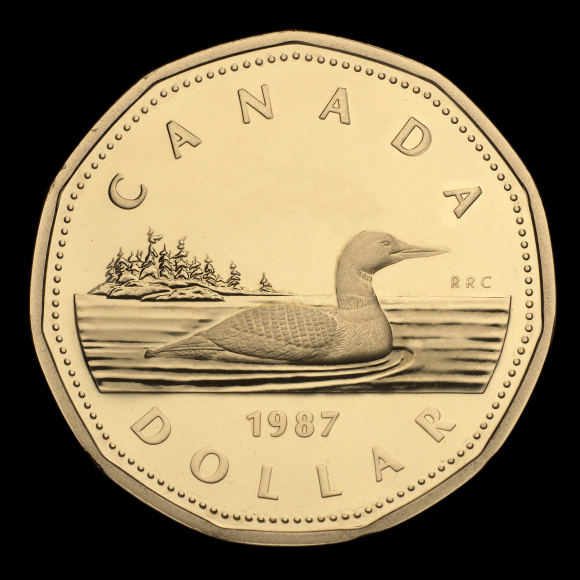
Fearing possible counterfeiting, the government approved a new design for the reverse side of the coin, replacing the voyageur with an engraving of a common loon floating in water. The coin was immediately christened the “loonie” throughout English Canada (“huard” in Quebec) when 40 million coins went into circulation on June 30, 1987.

The final dollar bills were printed two years later on June 30, 1989.  And in 1996, Canadians got a two-dollar coin, the “toonie.”


It was one of the dullest speeches I ever heard. The Agee woman told us for three quarters of an hour how she came to write her beastly book, when a simple apology was all that was required. ― P.G. Wodehouse

JULY 2, 1979: A TALE OF TWO DOLLARS

The dollar coin has a long and checkered history in the United States. The first ones were minted back in 1794, just 1,758 of them. Produced rather sporadically through the years, they came in various flavors: Flowing Hair, Draped Bust, Seated Liberty, Morgan, Peace and lastly Eisenhower. Because of the size and weight of the dollar coins, they circulated minimally throughout their history, except in the West (where they were commonly used in casinos and shootouts). As a result, the coins were generally shipped to Washington and stored in the vaults of the US Treasury; where they sometimes numbered into the hundreds of millions.

In an attempt to get dollar coins into wide circulation, the government introduced a slimmed down, feminine coin on July 2, 1979; 888 million were minted. Coin-carrying Americans took to them like a cat takes to water. Featuring a portrait of Susan B. Anthony on one side and an eagle on the other, they were an instant failure. Because of their similar size and color, it was found to be easy to mistake the coin for a quarter. The originally-planned hendecagon-shaped edge, which would have distinguished it from the quarter, was changed to a picture of a hendecagon on a round coin. While a Canadian dollar coin released into general circulation a few years later gained wide acceptance and was referred to lovingly as the “loonie,” the Anthony dollar was disparagingly referred to as the “Carter quarter,” “Suzie Bucks” or the “Anthony quarter.”

Even with the catchy slogan “Carry three for Susan B,” it went nowhere, and was not minted again until 1999 when the Treasury’s almost endless supply ran out a year ahead of the introduction of the Sacagawea dollar, another doomed dollar coin.

And Americans continue to clutch their wrinkled, grubby dollar bills that wear out every ten minutes.

JUNE 30, 1987: BROTHER, CAN YOU SPARE A LOONIE?

When the Canadian government announced in 1986 that a new dollar coin would be launched the following year and the dollar bill phased out, they had planned to continue using the voyageur theme of its predecessor, and the master dies for the coin were sent from Ottawa to the Mint in Winnipeg. Somehow they were lost in transit.

An investigation found that there were no specific procedures for transporting master dies and that they had been shipped using a local courier in order to save $43.50. The investigation also found it to be the third time that the Mint had lost master dies within five years. Fingers started pointing.  An internal review by the Royal Canadian Mint found that an existing policy did require the two sides of the dies to be shipped separately. The new coins dies were indeed packaged separately but they were part of a single shipment. The Royal Canadian Mounted Police contended that the dies were simply lost in transit. But the Mint said the dies were stolen. They were never recovered.

Fearing possible counterfeiting, the government approved a new design for the reverse side of the coin, replacing the voyageur with an engraving of a common loon floating in water. The coin was immediately christened the “loonie” throughout English Canada (“huard” in Quebec) when 40 million coins went into circulation on June 30, 1987.

The final dollar bills were printed two years later on June 30, 1989.  And in 1996, Canadians got a two-dollar coin, the “toonie.”


It was one of the dullest speeches I ever heard. The Agee woman told us for three quarters of an hour how she came to write her beastly book, when a simple apology was all that was required. ― P.G. Wodehouse