

In a blow to lounge lechers everywhere, the state of Ohio passed a law making seduction unlawful. Covering any man 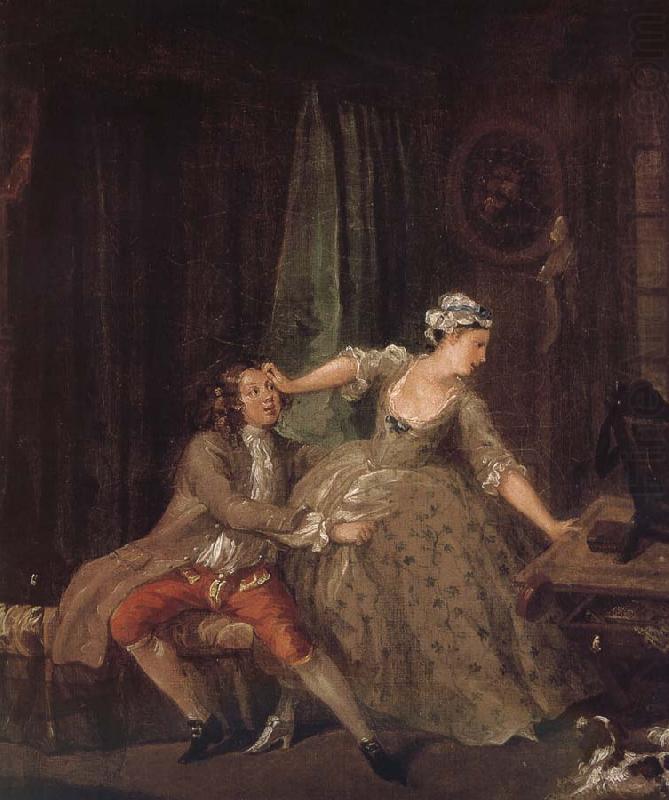 over 18, it prohibited sex, consensual or not, with a woman of any age if the woman were being taught or instructed by the man. It covered all subject matter, leaving a lot of room for interpretation. Other states jumped on the anti-seduction bandwagon. In Virginia, he’d better not try to engineer an “illicit connexion with any unmarried female of previous chaste character” using the promise of marriage. In Georgia, he couldn’t “seduce a virtuous unmarried female and induce her to yield to his lustful embraces.” In some jurisdictions, however, a woman could not press charges on her own behalf; only the father could do so based on his property interests in his daughters’ chastity.
 Naturally, such laws were enforced with varying degrees of fervor. An unfortunate man trapped by the law in New York was headed for certain conviction until he proposed to his victim during the trial. Just to make certain, he didn’t back out, the judge brought in a minister and had the ceremony performed then and there.
A court in Michigan, on the other hand, went out of its way to favor the accused male. On three charges of seduction, two were thrown out because the woman was no longer virtuous after the first seduction. The other was tossed when the court ruled that her claim that they had sex in a buggy was physically impossible.
There’s an Awful Lof of Coffee . . .
Pedro Alvares Cabral sailed out of Lisbon in early 1500 with a fleet of 13 ships, following the route taken earlier by Vasco da Gama. He strayed from the route, however, sailing far into the western Atlantic Ocean making landfall on April 22, 1500, on an island he named the Island of the True Cross. Turns out it wasn’t an island at all but a big mother of a continent. He claimed a big chunk of it for Portugal and dispatched a ship to notify King Manuel I of his discovery. Manuel renamed the territory Holy Cross. It later became known as Brazil, the fifth largest country in the world, home to the Amazon River, the world’s second longest, the Amazon Rainforest, an awful lot of coffee, and the samba.



 Wretched Richard's Almanac