APRIL 10, 1953: COMIN’ AT YA

The poobahs at Hollywood’s major film studios watched with amazement and envy as the independently produced 3-D movie Bwana Devil wowed audiences in late 1952.  Columbia Pictures quickly threw together a black- and-white thriller that for an hour hurled practically every prop on the set at the beleaguered audience. It was just as quickly forgotten.  Then on April 10, 1953, Warner Brothers released its entry — in color and stereophonic sound — House of Wax, a horror film starring Vincent Price as a sculptor who kills folks, covers them with wax, dresses them up as famous historical figures, and displays them in his wax museum. Audiences loved it, making it one of the biggest hits of the year. Even critics gave it a go. And although it took a while, the Library of Congress selected it in 2014 for inclusion in the National Film Registry, deeming it “culturally, historically, or aesthetically significant.”

The film revived Vincent Price’s career, positioning him as the go-to guy when you needed a mad scientist or fiendish psychopath.  Although House of Wax had a couple of classic 3-D effects (the pitchman with a paddleball and a character who seemingly stands up in the audience and runs into the screen), it was not loaded down with them. This might have been because the director was blind in one eye and couldn’t understand what all the fuss was about.

And What Do We Suppose Jumbo the Elephant Really Was
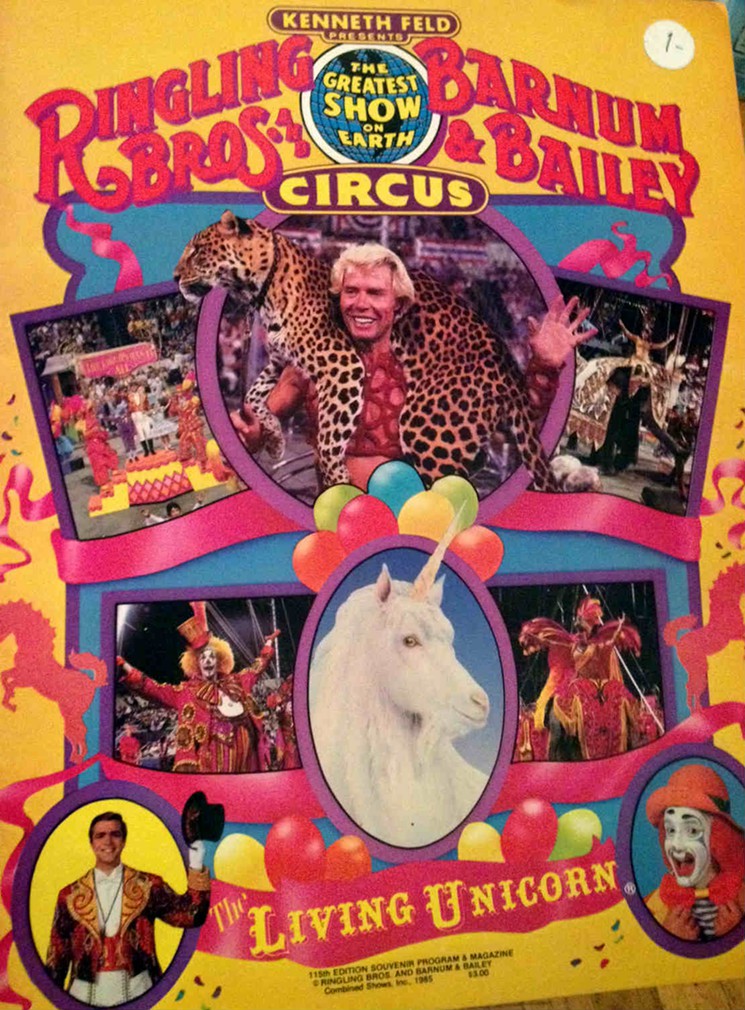
On this day in 1985, Lancelot the Unicorn who had been touring with the Ringling Brothers and Barnum and Bailey Circus — famous for outlandish attractions — was exposed as a fraud.  Audiences were appalled to learn that Lancelot wasn’t a real unicorn at all, just a goat with a horn surgically attached to its forehead.

IF IT HAD ONLY BEEN A NACHO
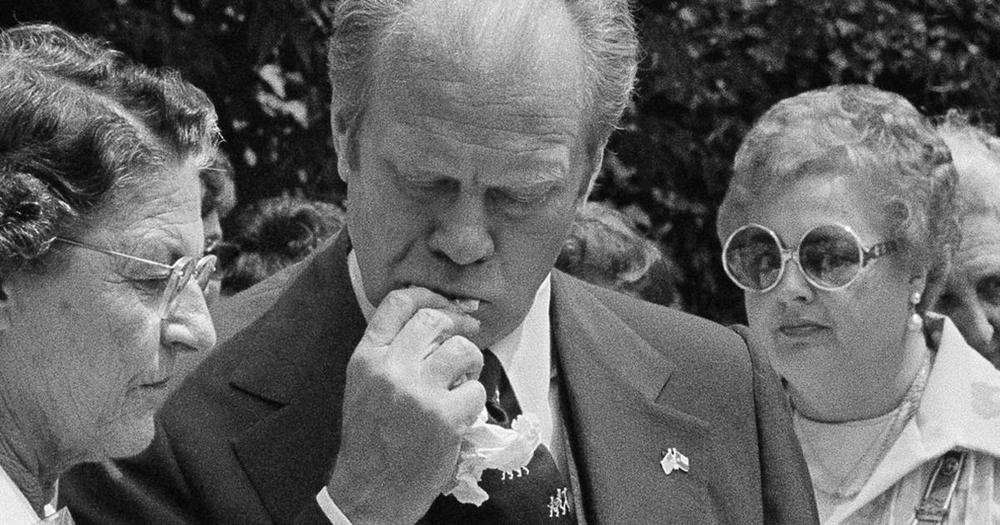
It would seem that in modern politics every president has been forced to deal with a scandal, big or small –vicuna coat, Watergate, Iran Contra, Stormy Daniels. Gerald Ford’s scandal would probably be trivial in comparison to most. But it may have cost him re-election. It was April 10, 1976, in San Antonio, Texas, at the Alamo, where a tiny faux pas morphed into the Great Tamale Incident as the President attempted to eat a tamale without removing the corn husk, playing into his reputation as a bit of a bumbler.

APRIL 9, 1940: YOUR SHOPPING CART IS EMPTY

Sylvan Goldman was an idea man. One of his more persistent ideas led to his choice of careers. Actually, it was more than an idea — a concept, an eternal truth perhaps. “The wonderful thing about food is that everyone uses it — and uses it only once.”

Born in the Oklahoma Territory, he and his brother went into wholesale produce only to be wiped out by plunging oil prices.  After studying all the latest methods for retailing groceries, they bounced back with a chain of self-service stores featuring woven baskets for  carrying groceries. The stores were a big success, and they were bought out by the Safeway chain. Once again hard luck hit; their Safeway stock tanked during the Depression. And once again they bounced back; by the mid-30s they were half owners of the Piggly Wiggly chain.

Goldman continued to dream about customers moving more and more groceries. And one night in 1936 he had a eureka moment — inspired by a wooden folding chair. Put wheels on the legs and a big basket on the seat and you have a shopping cart.

Goldman and a mechanic friend began tinkering. They devised a metal cart with not one but two wire baskets. For efficient storage, the carts could be folded and the baskets nested. Goldman called his invention a folding basket carrier, receiving a patent on April 9, 1940.

When the carriers were introduced to the public, Goldman encountered one tiny problem. Customers didn’t want to use them. Men thought they would look like sissies pushing a cart. Women felt like they were pushing a baby carriage.  And older shoppers thought it made them look helpless. Goldman was always ready with another idea. He hired attractive models, both men and women, to push the carts around, as well as charming greeters urging customers to take one for a spin.

By the 1940s, the carts had become so much a part of the American shopping experience that the Saturday Evening Post devoted its cover to them. And they got bigger and bigger until they got tiny as little icons on websites everywhere.

Goldman’s Folding Carrier Basket Company is still in business today. Goldman isn’t. He died in 1984.

April 8, 1904: It Was the Best of Times Square . . .

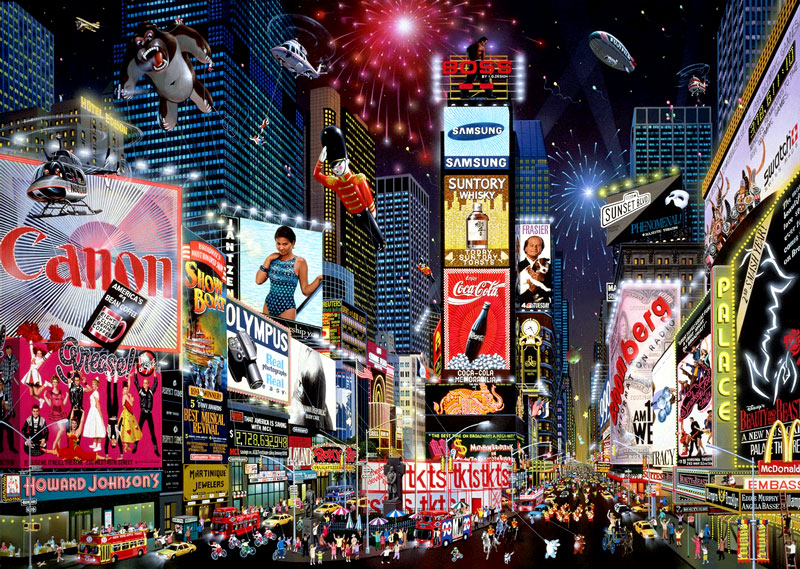
In 1904, a bit of real estate in the middle of Manhattan called Long Acre Square got a new name. New York Times publisher Adolph S. Ochs had just moved his newspaper’s operations to a new skyscraper on 42nd Street. He persuaded the City of New York to construct a subway station there, and the area was renamed Times Square. Just three weeks later, the first electrified sign appeared at the corner of 46th Street and Broadway.

During its heyday through the 1920s, celebrities such as Irving Berlin, Fred Astaire, and Charlie Chaplin were closely associated with the area, nicknamed The Tenderloin because of its desirable location in Manhattan. However, crime and corruption, and their friends gambling and prostitution were sneaking in. Beginning with the onset of the Great Depression in the 1930s and through the following decades, Times Square gained its reputation as a dangerous neighborhood. The seediness of the area became a symbol of the dismal state of the city. The tourists who continued to flock to the city’s most famous landmark were greeted by go-go bars, sex shops, adult theaters, and a very unDisneylike atmosphere. (oh, you got trouble right here in New York City)

Revitalization began in thew 1990s and today Times Square is a place you’d take your elderly mother.  And lots of people do.  Times Square is the world’s most visited tourist attraction, hosting over 39 million visitors (and their elderly mothers) yearly.

It’s squeaky clean now and glitzier than ever. (It’s the only neighborhood with zoning ordinances requiring building owners to display illuminated signs.)

Dream on, Las Vegas; Times Square is king.

Take My Wife . . . Please

Earlier centuries saw a great many practices that were commonplace then but which would be considered inappropriate in our more enlightened age. Nowhere was this truer than in (merry old) England — purchasing a plump Irish child for special dinner occasions in the 18th century, for instance, or in the 19th century, selling a spouse one had grown weary of.  One such sale took place on April 8, 1832, an account of which was recorded for the amusement of generations that followed.  Joseph Thompson, a farmer, had been married for three unhappy years when he and his wife decided to call it quits.  As was customary, Thompson took his wife to town and set her up for public auction.  At noon, the sale commenced with Thompson delivering a short speech:

“Gentlemen, I have to offer to your notice my wife, Mary Ann Thomson . . . whom I mean to sell to the highest and fairest bidder.  Gentlemen, it is her wish as well as mine to part for ever.  She has been to me only a born serpent.  I took her for my comfort, and the good of my home; but she became my tormentor, a domestic curse, a night invasion, and a daily devil.  Gentlemen, I speak truth from my heart when I say — may God deliver us from troublesome wives and frolicsome women!  Avoid them as you would a mad dog, a roaring lion, a loaded pistol, cholera morbus, Mount Etna, or any other pestilential thing in nature.”

What a sales pitch!  This guy could sell anything. The asking price for Mary Ann was 50 shillings. Eventually, the price was knocked down and a deal was made — 20 shillings and a Newfoundland dog.

Everyone satisfied, they parted company, Mary Ann and a gentleman named Henry Mears in one direction, Joseph and the dog in the other.

APRIL 7, 1864: IT WAS A HUGE HUMPY BEAST

The first camel race in the United States was held in Sacramento, California, on April 7, 1864. The dromedaries belonged to Samuel McLeneghan who had paid $1,495 for 35 of them at an auction in Benicia, California. The camels had a curious history, one that began with an American military expedition to northern African nations along the coast of the Mediterranean Sea. The idea of the expedition and the importing of camels belonged to Secretary of War Jefferson Davis (this is of course the Jefferson Davis who later led the Confederacy, which had no camels that we know of). Davis convinced Congress to go along with this scheme and his vision of a Camel Corps that would carry military supplies across the country from east to west, it being reasoned that camels could carry heavier loads than horses on less food and water (sort of the same idea behind today’s guest worker programs for foreigners).

Unfortunately, the Camel Corps looked better on paper than in reality. The camels did not get along with their fellow animals or people: they stampeded horses and mules, attacked and bit pedestrians and chewed laundry off clotheslines. Camel caravans were only allowed to pass through some towns at night. With the Civil War getting underway (and Jefferson Davis going to the other side), interest in the project flagged and the Camel Corps disbanded. Of the camels that didn’t go to the races with McLeneghan, some joined the circus; some were employed by private companies. Eventually, many were abandoned in the desert. And for years afterward, prospectors and drifters might come rushing into a bar, raving about the strange apparition they had seen in the desert.

APRIL 6, 1722: AND TWO RUBLES FOR A FIVE 0’CLOCK SHADOW

In 1722, Peter the Great of Russia abolished a tax he had introduced some twenty years earlier, it having proved to be a rather hairy source of national income. The tax had been the result of an 18-month European tour to seek the aid of European monarchs, and to observe how other militias and armies were trained. During the tour, he learned that many European customs and styles were far superior to the antiquated ways in Russia. One of the first rulings he made upon his return was that all of his courtiers and officials shave off their long beards, as being clean-shaven was the European style. Anyone who kept their beard was subject to an annual Beard Tax of 100 rubles. Upon payment of the tax, bearded Russians were given a token; on one side of the token was an image of the lower part of a face with a full beard and the inscription “the beard is a superfluous burden.”

The idea of a beard tax had a bit of a history. Nearly 200 years earlier, King Henry VIII of England, who wore a beard himself, had introduced a tax on beards, although he probably didn’t pay the tax himself (it’s good to be the king). The tax was a graduated tax, varying with the wearer’s social position, not the length of his beard. Some years later, his daughter, Elizabeth I, reintroduced the beard tax, taxing every beard of more than two weeks’ growth, although she probably didn’t pay the tax herself (it’s good to be the queen).

APRIL 5, 1939: FIRST CAME THE WHEEL

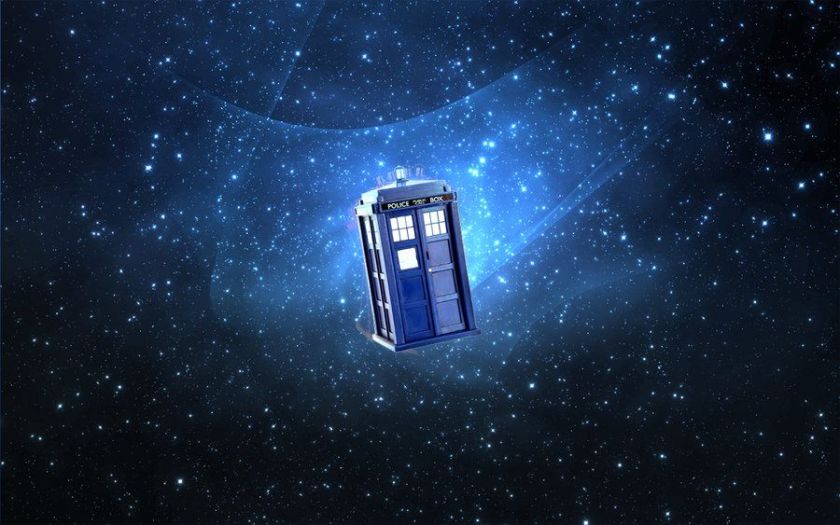
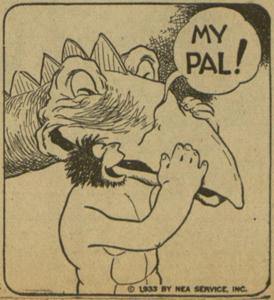
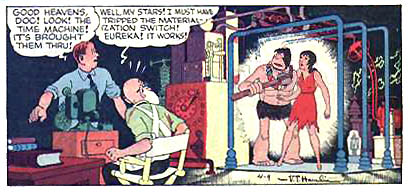
April 4 may have been a banner day for tinkerers, but April 5 was pretty impressive as well. In 1939, another important invention made its debut — Dr. Elbert Wonmug’s time machine. Oh, there had been time machines before this, but this would be the first to transport an honest-to-goodness caveman from way back in the Bone Age right into the 20th century. The caveman was none other than Alley Oop, beamed in from the kingdom of Moo where for the past seven years he had been doing typical caveman things — riding around on his pet dinosaur in a furry loincloth, brandishing his big club at his many enemies, and courting the lovely Ooola.
But once in the 20th century with a time machine to beam him about, Oop was no longer bound by prehistoric limitations. He became a roving ambassador, traveling to such destinations as ancient Egypt, Arthurian England and the American frontier, rubbing elbows with such folks as Robin Hood, Cleopatra, Ulysses, Shakespeare and Napoleon. At one point he even visited the moon. Pretty impressive for a Neanderthal.  Let’s see your Australopithecus do that.

The Big Oops

Time travel, if you will, back to this day in 1722, an Easter Sunday.  Dutch explorer Jacob Roggeveen, sailing  with three ships —  the Arend, the Thienhoven, and Afrikaansche Galey (sort of like Columbus and his Nina, Pinta and Santa Marie, but a lot more of a tongue twister) — lands on an island in the South Pacific and names it Easter Island.  Along with several thousand inhabitants, he discovers a bunch of stone heads that look rather amazingly like Alley Oop.  Could it be that Alley Oop got here earlier in his time machine?

APRIL 4, 1914: TO BE CONTINUED

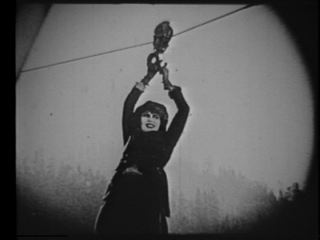
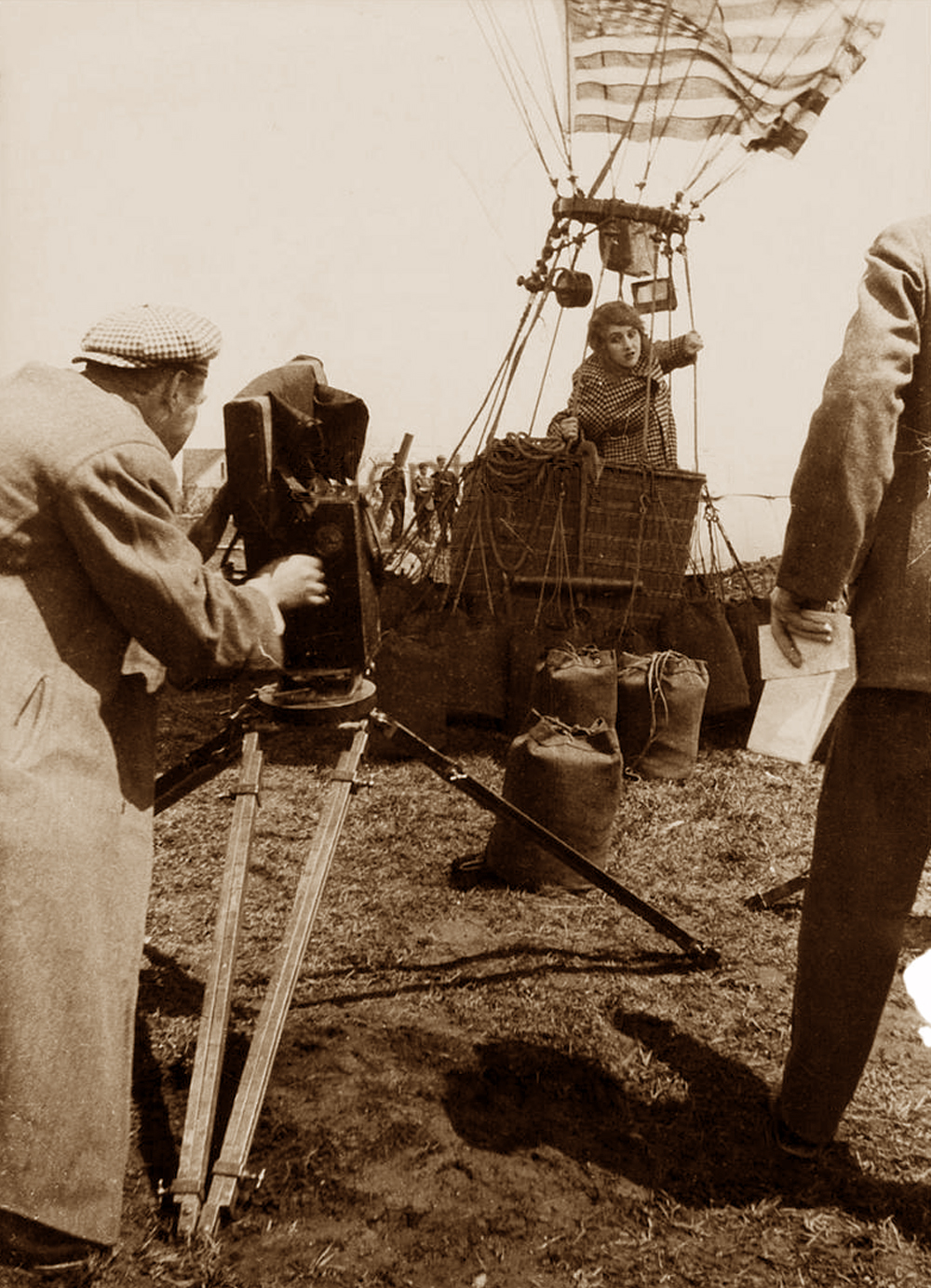
The Perils of Pauline, one of the earliest American movie serials and a classic example of the damsel in distress genre, premiered in Los Angeles on April 4, 1914. Every week for twenty weeks, actress Pearl White faced imminent danger and sure death at the hands of pirates, hostile Indians, gypsies and various mustachioed villains, escaping at the last possible second through her own ingenuity, resourcefulness and pluck. Her adventures in Pauline and the follow-up Exploits of Elaine were popular movie fare through the 1920s. Neither serial was a true “cliffhanger” in which episodes end with an unresolved danger to be resolved at the beginning of the next installment.  Instead White jumped in and out of the jaws of death in each installment.

Like many other silent film stars, Pearl White performed her own stunts for the serial, at considerable risk. During one scene, the hot-air balloon she was piloting escaped and carried her across the Hudson River into a storm, before landing miles away. In another incident, she permanently injured her back in a fall.  Which probably deprived us of the Dangers of Desdemona, Jeopardy of Janet and Predicaments of Prunella.

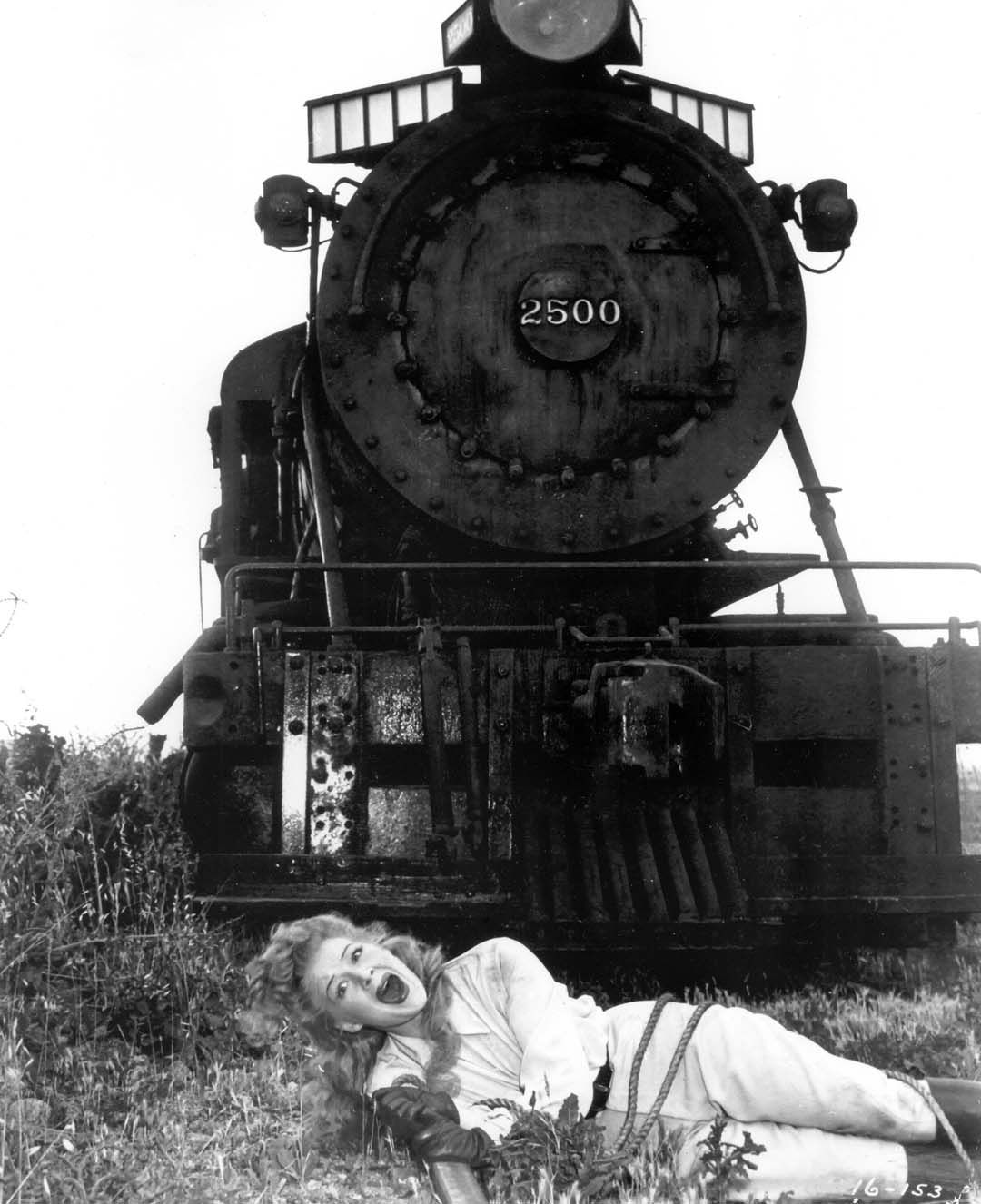
And of course White was more than once tied to railroad tracks by a mustache-twirling villain. One such scene was filmed on a curved trestle in New Hope, Pennsylvania on the Reading Company’s New Hope Branch. Now referred to as “Pauline’s Trestle,” it is a tourist attraction offering rides from New Hope to Lahaska, Pennsylvania, across the original trestle.

cliff-hanger

[klif-hang-er]

noun

1. a melodramatic adventure serial in which each installment ends in suspense in order to interest the reader or viewer in the next installment.

2. a situation or contest of which the outcome is suspensefully uncertain up to the very last moment:

Stopping for a moment, she convinced herself that she had to have a good lead over her pursuers, if they were even following her. She had to find Paul. Looking around, however, she realized that not only didn’t she know where Paul was, she didn’t know where she was. She decided to work her way back in the same general direction from which she thought she had come, keeping herself hidden. If they were chasing her, they would not be stealthy. She’d hear them before they saw her. And try to find Paul. Or someone else to help. But who?

Her foot caught the bottom of her sarong, and she fell to the ground. “This damn outfit,” she said aloud as she tried to untangle herself. “I might as well be wearing a strait jacket.”

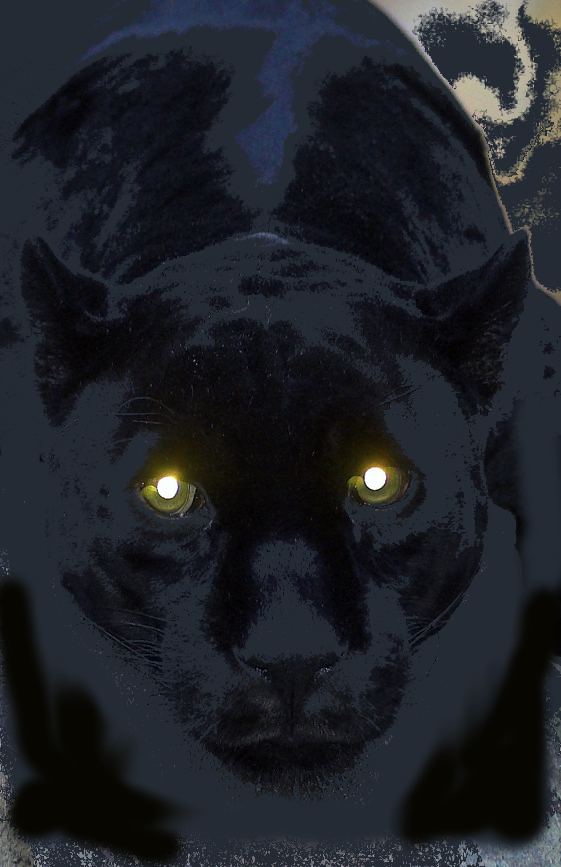
She pulled herself up to her hands and knees and looked around. There just a few feet ahead of her, two golden eyes blazed in the dark. At first they were disembodied, hovering in the air, but as they stared at her, she began to discern an outline of whatever it was that possessed the eyes. It was big, really big, and as black as the night around it. It was a cat, at least four feet at its shoulders. And it wasn’t purring.

Excerpt from Voodoo Love Song by Richard Daybell

APRIL 3, 1667: THE LIONS ARE COMING, THE LIONS ARE COMING

In addition to being a member of the British peerage, Edward, Marquis of Worcester, who died on April 3, 1667, was a bit of a dabbler, a sort of ersatz inventor, and author of an odd little book witn the catchy title A Century of the names and scantlings of such inventions as at present I can call to mind to have tried and perfected. The book, written some ten years earlier, describes, as the title suggests, a hundred speculative projects, none of them, however, detailed enough to allow a reader to actually put them into practice: secret writing with peculiar inks, explosive devices that would sink any ship, ships that would resist any explosive devices, floating gardens, a method to prevent sands from shifting, automatic assault pistols and cannons, a timer for lighting candles at any time during the night, a hundred-foot pocket ladder, flying machines.

Although many of his ideas foreshadowed later inventions, it is unclear whether he had thought through the methods by which they would work. One idea was put to work with success although unusually so. As the owner of Raglan Castle, he had constructed some hydraulic engines and wheels for bringing water from the moat to the top of the castle tower.  During the Civil War, Roundheads (supporters of Oliver Cromwell with bad haircuts) had approached the castle with not the best of intentions. The Marquis had his waterworks put into play. “There was such a roaring,” he later wrote, “that the unwelcome visitors stood transfixed, not knowing what to make of it.” On cue, one of the Marquis’ men came running toward them shouting that the lions were loose. The intruders tumbled over one another down the stairs in an effort to escape, never looking back until the castle was out sight.

Edward suggested that when he died, a model of his engine should be buried with him: “I call this a Semi Omnipotent Engine, and do intend that a model thereof be buried with me.”[

Fast Forward Four Hundred Years

And another ersatz inventor with a bad haircut.  Dean Kamen was mostly a master of hype. Among his contributions to society are an all-terrain electric wheelchair and a device that uses compressed air to launch SWAT teams to the roofs of tall buildings in a single bound.  Interestingly enough, Kamen’s father was an illustrator for Mad and Weird Science.

The most famous of his inventions by far was a closely guarded secret that he claimed would change the world when made public. Unveiled in 2001 to major drumrolls, the Segway is an electric, self-balancing human transporter. It landed pretty much with a thud.  Adding insult, Time Magazine included the Segway at the top of its list of the 50 worst inventions.

British entrepreneur Jimi Heseleden begged to differ. He bought the Segway company in 2010. Unfortunately, he died that same year when he fell off a cliff while riding his Segway.

Listen Up Roundheads

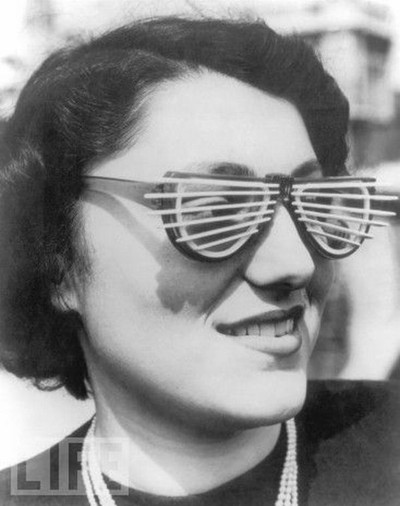
The aforementioned Time list of the worst inventions included such sure-fire ideas as Hair in a Can (you spray it on, guys), Tanning Beds,  Smell-o-Vision, Hula Chair and Venetian-Blind Sunglasses. The Almanac has visited some of these in the past and will visit others in the future.

APRIL 2, 1877: Faster Than a Speeding Cannonball

Some dreamers looked to the stars and wondered what it would be like to fly through space.  Some looked to the sky and wondered what it would be like to fly like a bird.  Then there were those that looked at a cannon and wondered what it would be like to be shot through the air from that cannon.  We remember and idolize our flight pioneers and space pioneers.  Can you remember the name of a single human cannonball?

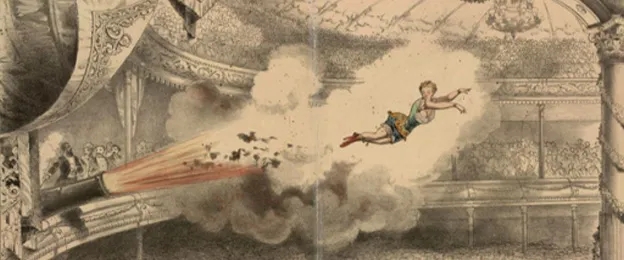
How about Zazel?  Yes, back in 1877, April 2 to be exact ,when those amazing men in their flying machines were still staring at pigeons and wondering how, 14-year-old Rossa Matilda Richter became the first in a storied line of Second Amendment enthusiasts to be shot right out of a cannon and into immortality.  The oohs and aahs of the crowd at the Royal Aquarium in London as Zazel soared overhead to a net some 70 feet away were the nascent sounds of a gun lobby to be.

Zazel was the protégé of The Great Farini, the Canadian rope-walker known for performing above Niagara Falls. He invented the device that would launch Zazel and other human projectiles for years to come.

Zazel’s act was an amazing success. At the peak of her career, she was earning £200 a week, performing before crowds of 20,000 or more every day in England and the USA.  Although many others followed in her footsteps, she was the first and the level of danger she faced was the highest. Eventually it caught up with her: she missed the net, and although she survived, she broke her back.  She retired and faded into obscurity.

The Terrible Terrible Biddle Boys

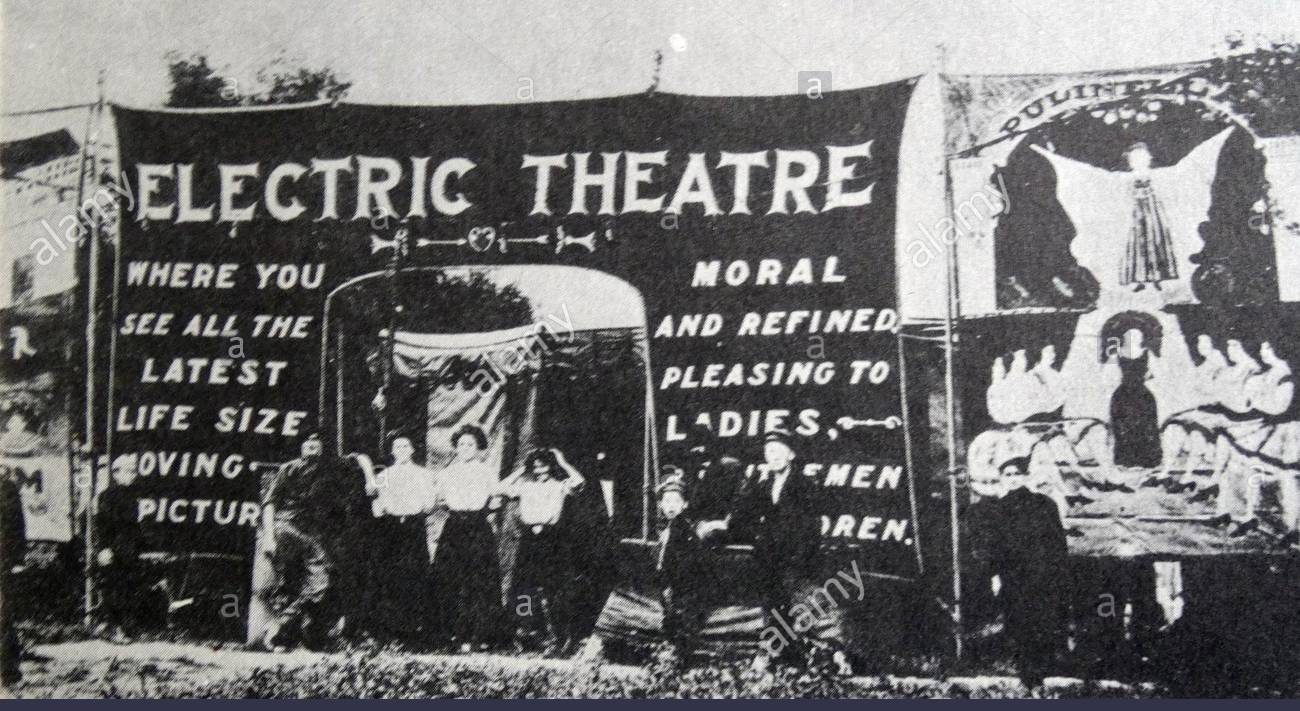
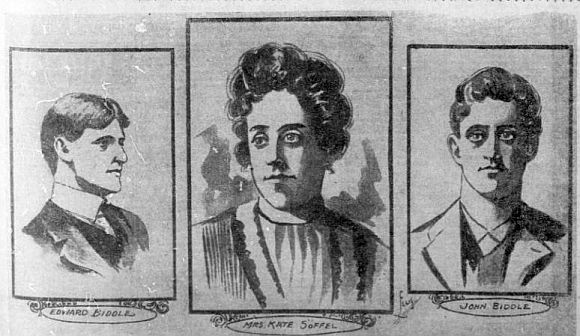
Admission was ten cents. The movie lasted about an hour. There were no cartoons or newsreels. The first theater to show an actual movie was the Electric Theater in Los Angeles on April 2, 1902. The Capture of the Biddle Brothers was an adventure melodrama based on actual events.

A few months earlier, condemned prisoners Jack and Ed Biddle escaped from a Pennsylvania jail using tools and weapons supplied to them by the warden’s wife, Kate Soffel. “Our picture, which is a perfect reproduction of the capture, is realistic and exciting,” the producer exclaimed — breathlessly one might imagine. Two sheriff-filled sleighs pursue the Biddles and Soffel through the white and drifting snow. The dastardly trio turns to make a stand, shotguns and revolvers blazing. Ed Biddle is shot, falls to the ground in a snow bank. On one elbow, he continues to fire shot after shot until he collapses. The second Biddle continues to fire, and he too is shot. Mrs. Soffel seeing the hopelessness of their situation, if not the error of her ways, attempts to shoot herself. All three are captured. The brothers both die of their wounds. Mrs. Soffel survives, but a reconciliation with her warden husband is probably unlikely.

The movie itself did not survive, and the names of the actors are lost to history. Oddly enough a remake — well maybe not exactly a remake — was released in 1984.  Mrs. Soffel starring Diane Keaton and Mel Gibson once again tells the tale of the terrible, terrible Biddle brothers. But not for a dime.


APRIL 1, 1903: THE TENOR NOSE

Fabrio Abruzzi was born in a village near Milan in 1883. The Abruzzi family was quite poor with Fabrio’s father cobbling together their existence as a shoemaker. Almost from the time Fabrio could walk, he was put to work pounding leather for his father. He was a nice boy (the villagers lovingly called him bambino brutto) and he was hard-working although his mind would wander and he frequently distracted himself by singing popular Italian folk songs.

As a child, he always had a pleasant singing voice and when, as a teenager, his voice changed, it became a magnificent tenor voice. Fate smiled on Fabrio. A LaScala impresario happened through the village and heard the young man sing as he pounded leather. He took Fabrio under his wings, coached him extensively and on April 1, 1903, scheduled his debut as the principal tenor in Puccini’s Euripedes et Copernica.

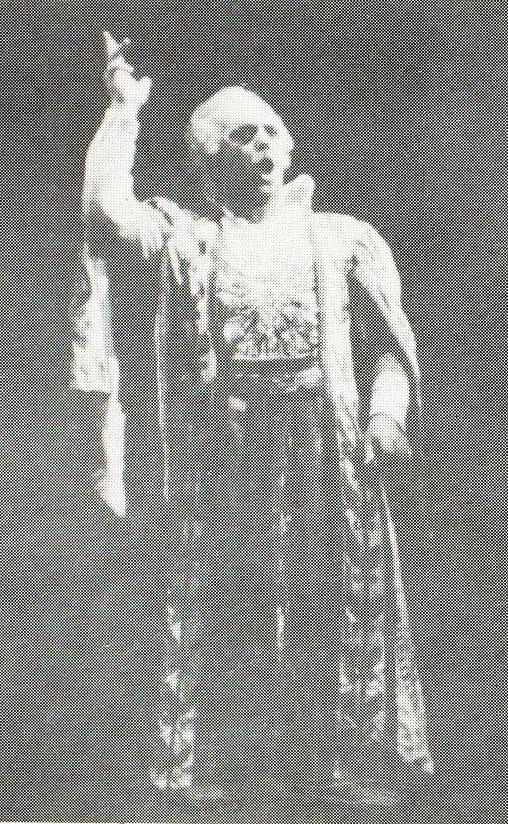
On the day of his performance, he prepared himself (as many leading singers of the day did) by forcing lumps of pancetta up each nostril of his nose to lubricate the nasal passages (he had a magnificent Roman nose). Unfortunately, the pancetta became wedged there and he was forced to go on stage with it still in place. Things looked bad. Fabrio did not sound like a magnificent tenor; his voice was stuffy and nasal. The audience was growing restless with the need to toss tomatoes (which Italians always brought with them to the opera). Fortunately, the famous aria ti amo mortadella comes early in the first act. It’s a robust piece and Fabrio gave it his all, thereby dislodging the pancetta and hurtling meaty projectiles through the air. One put a crack in the second violinist’s Stradavarius; another slammed into the conductor’s forehead, causing him to lead the orchestra off into an unrestrained allegro punctuated by several tomatoes to the back of his head.

But Fabrio was a success. He went on to have a short but illustrious career and was known throughout Italy as voce bellissima brutte facce.

Pancetta Projectiles in 3-D Perhaps

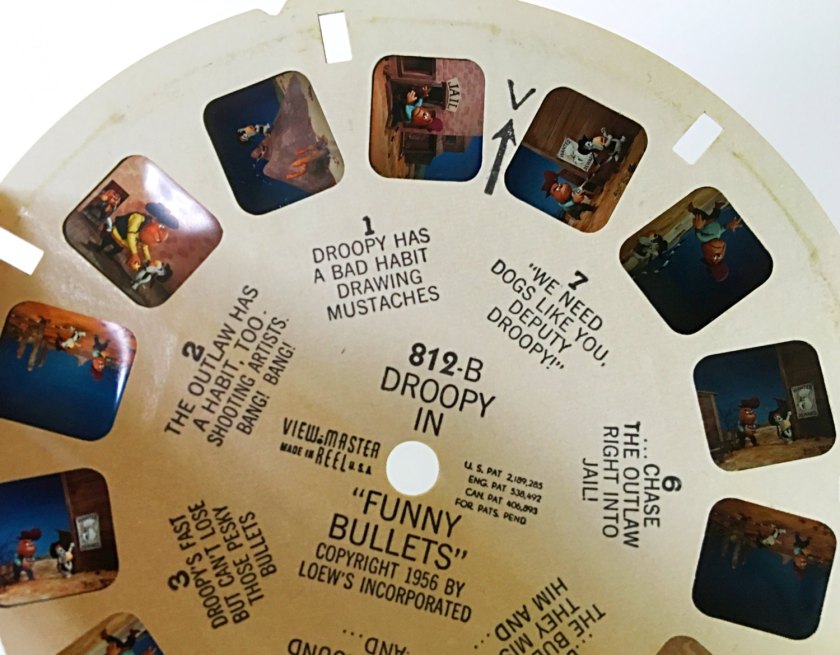
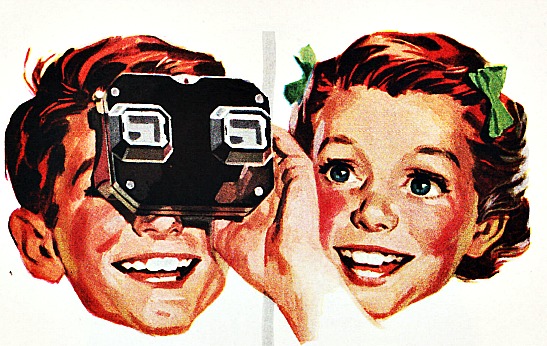
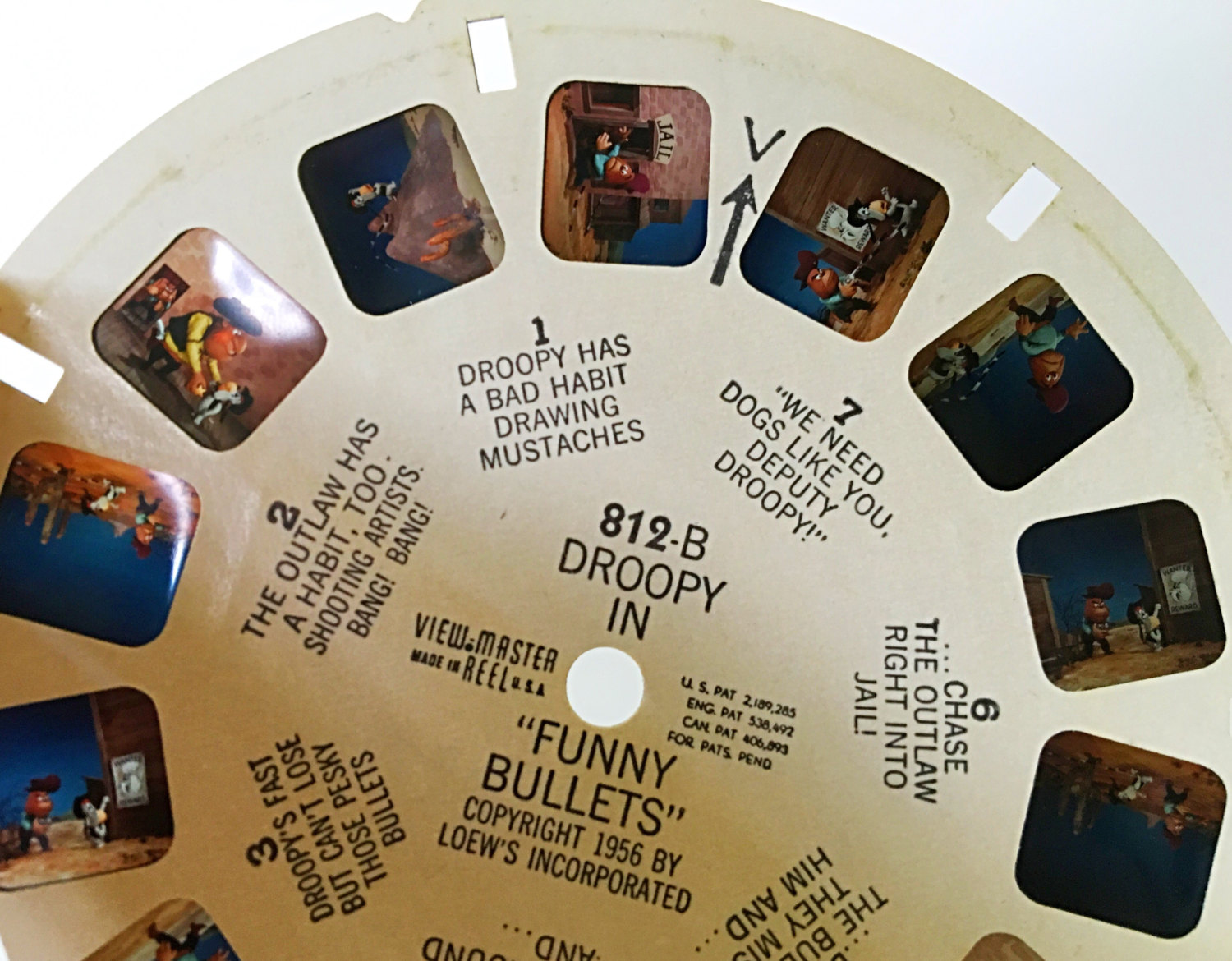
In a letter dated April 1, 1954, Edwin Eugene Mayer explained how he progressed from his early career as a pharmacist in Portland, Oregon, to head of the nation’s largest producer of photographic postcards. Somewhere along the way, Mayer had a eureka moment: updating the old-fashioned 3-D stereoscope. The result, introduced at the 1939 World’s Fair, was the View-Master (although Mayer disliked the name; he thought it sounded like some kind of kitchen appliance).

It must have been cumbersome at first, loading all those tiny people and objects into the viewer, sending the viewer back to the factory to be reloaded with new little people and objects once you got tired of the first bunch. But clever Mayer came up with a fix. Instead of loading actual little people and objects into the viewer, he developed a reel with pictures using the fancy new Kodachrome 16 mm film that had become available. The reel had seven pairs of transparencies, fooling the person looking into the viewer that he or she is seeing 3-D. The original reels were mainly scenic, but through the years, content expanded into adaptations of cartoons, movies and television. Since View-Masters introduction, there have been 25 different viewer models. The reels and the internal mechanisms have remain unchanged so that any of the more than a billion reels that have been produced will work in any viewer.

View-Master has been inducted into the National Toy Hall of Fame.

Still More 3-D

Somewhere between the stereoscope and the View-Master, another inventor was beguiled by the wonders of 3-D.  Mervin Ipod spent several years in an attempt to develop a working 3-D radio.  Unfortunately those years were spent in vain, although Mervin Ipod did go on to a bit more success with the invention that bears his name — the Mervinator.