
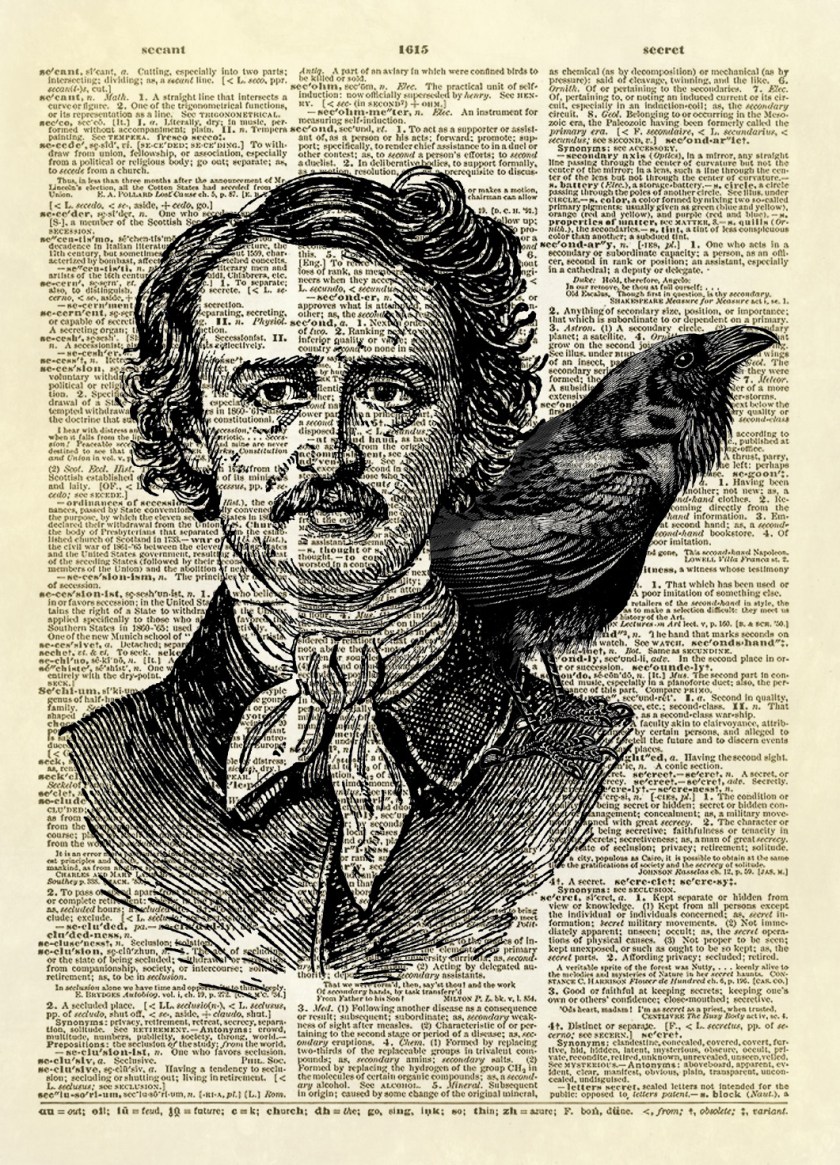
For most of his career during the 1830s and 1840s, Edgar Allan Poe was your typical struggling, hungry writer. His poetry and short stories were often published but rarely paid for. The lack of copyright laws meant that publishers could freely steal the work of British writers rather than pay their American counterparts.
 Poe’s life changed dramatically on January 29, 1845, when his atmospheric narrative poem The Raven appeared in the New York Evening Mirror and was attributed to him for the first time. Before you could say “nevermore,” it went viral and Poe became a literary celebrity, although still economically challenged.
The Raven takes place in Poe’s typical Gothic world, full of mystery and the macabre. It traces the descent of a distraught lover into madness. The guy’s pretty broken up over the loss of his love Lenore. He talks this over with a raven, but the raven doesn’t have much empathy or give much sympathy, offering only the heartless refrain “nevermore.”
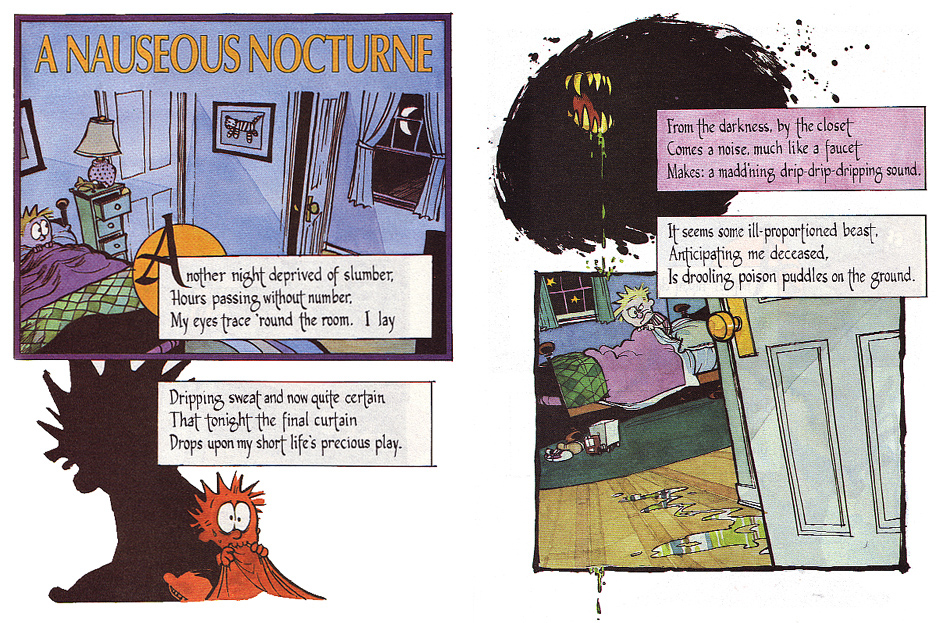
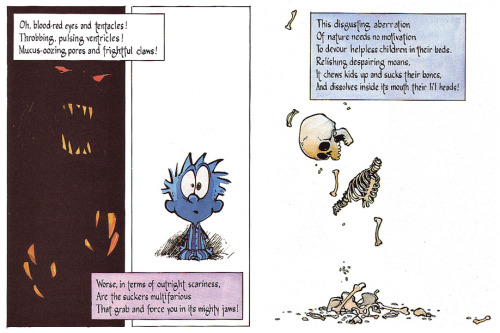
For the poem itself it was evermore, although Poe had just a few year’s left to enjoy its success. Others have enjoyed its success , however, with a steady stream of reprints, analyses, films, parodies, and even comic books.
Once upon a midnight dreary, while I pondered, weak and weary,
Over many a quaint and curious volume of forgotten lore—
While I nodded, nearly napping, suddenly there came a tapping,
As of some one gently rapping, rapping at my chamber door.
“’Tis some visitor,” I muttered, “tapping at my chamber door—
Only this and nothing more.”
Always Carry a Small Snake
Born on January 28, 1880, as William Claude Dukenfield, W. C. Fields was an iconic American comedian, actor, misanthrope, egotist, drunkard, juggler, and writer 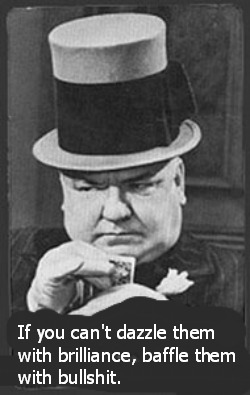 who loudly declared his contempt for women, children and small animals. Americans adored him. The publicity departments at Paramount and Universal studios did their best to conceal the fact that he had a happy childhood, had been married, supported two sons, and doted on his grandchildren.
Fields got his start as a juggler in vaudeville and on Broadway. When he found that he could get laughs by adding dialogue to his routines, he developed the mumbling patter and sarcastic asides that became his trademarks. It was in the movies and on radio that he eventually found stardom. A handful of silent films in the 20s led to such classics as You Can’t Cheat an Honest Man, Never Give a Sucker an Even Break, The Bank Dick and My Little Chickadee with Mae West. He also became a popular guest on many radio shows, most notably perhaps Edgar Bergen’s Chase and Sanborn Hour, where he traded barbs with Charlie McCarthy, calling him among other things a woodpecker’s pin-up boy.
Fields always professed to hate Christmas, and to show his disdain for the holiday, he died on Christmas Day in 1946.
I always keep some whiskey handy in case I see a snake. . .which I also keep handy.
Everybody’s got to believe in something. I believe I’ll have another beer.
I never hold a grudge. As soon as I get even with the son-of-a bitch, I forget it.
Reminds me of my safari in Africa. Somebody forgot the corkscrew and for several days we had to live on nothing but food and water.

 Wretched Richard's Almanac